Scotland
 UK
 Ireland
 London


The Engineering Construction Industry Training Board's (ECITB) labour market intelligence programme has been praised for effective collaboration at a major industry awards ceremony in London.
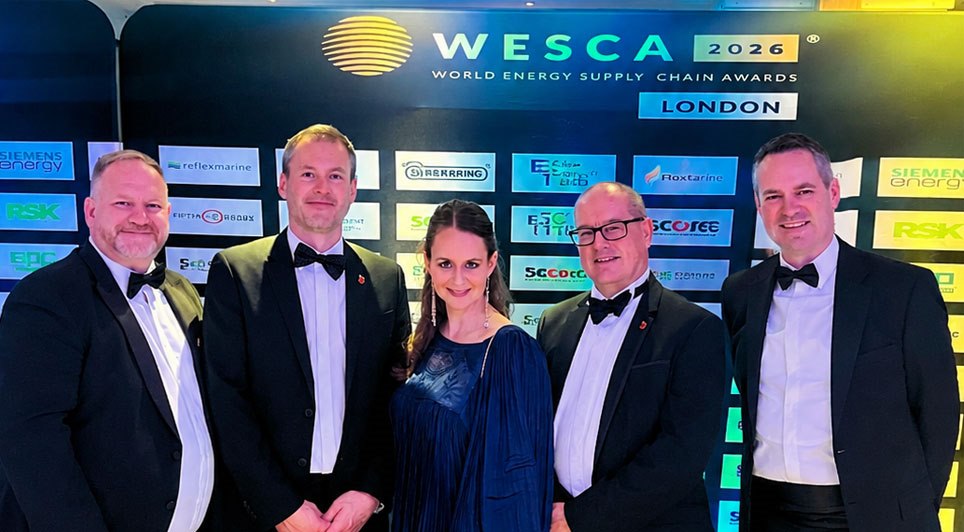
ECITB was shortlisted in the Collaboration category at the Energy Industries Council's (EIC) 2026 World Energy Supply Chain Awards (WESCA), hosted at the Marriott Hotel on Grosvenor Square. The industry-led skills body appeared alongside AAL Shipping, Cargostore, Cokebusters, Forsyths and category winner Siemens, and was also profiled in the EIC's 2026 Survive & Thrive insight report.
Judges highlighted the impact of the ECITB's Labour Forecasting Tool (LFT) in helping the engineering construction industry (ECI) anticipate future workforce needs, address skills pressures and prepare for growth. The tool models workforce demand by region and sector across the ECI, which includes oil and gas, nuclear, power generation, renewables, carbon capture and storage, hydrogen and chemicals.
Developed with Whole Life Consultants and a technical reference group of industry stakeholders, the LFT launched in 2023 and received a major update in 2025 using data from the ECITB Workforce Census. It brings together datasets not previously available at this scale in the ECI, where the absence of consistent labour market evidence had made it harder to track supply and demand, pinpoint shortages and plan for future skills gaps.

Before the tool's introduction, that lack of visibility impeded confident hiring, targeted training and the ECITB's ability to present robust evidence to government as large energy projects came forward.
Andrew Hockey, ECITB Chief Executive, said: "We were delighted to be shortlisted in the Collaboration category at the EIC's globally recognised awards. Well done to Siemens for winning and to all our fellow shortlisted finalists.
"At a time when industry is expected to need thousands of additional workers to meet demand on major engineering construction projects, it is vital that decisions made by governments, asset owners, contractors and other industry partners to tackle these challenges are informed by evidence.
"This is where the value of rich sources of data becomes crucial and why the first-of-its-kind Labour Forecasting Tool for the ECI has been of massive benefit for industry.
"This innovative solution to help industry track supply and demand has provided critical insights into the make-up and future direction of industry and allowed for evidence-based, targeted initiatives and interventions to tackle looming skills shortages."
When first unveiled in November 2023, the LFT projected the ECI could require an additional 40,000 workers by 2028. Updated forecasts in May 2025 confirmed the same overall figure but shifted peak demand to 2030, reflecting project delays overlapping with other activity and a potential wave of retirements in key occupations.
The tool indicates the total ECI workforce may need to exceed 135,000 by 2030 to meet demand. Occupations expected to be most sought-after include mechanical fitters, electrical technicians, process engineers, project managers, pipefitters, welders and design technicians.
LFT updates draw on findings from the ECITB Workforce Census and publicly stated schedules for around 3,000 active and prospective ECI projects. Insights from the LFT and Census have informed, either directly or as a core data source, strategies addressing national infrastructure and construction pipelines, sectoral and regional skills needs, and the Government's Clean Power 2030 Action Plan.
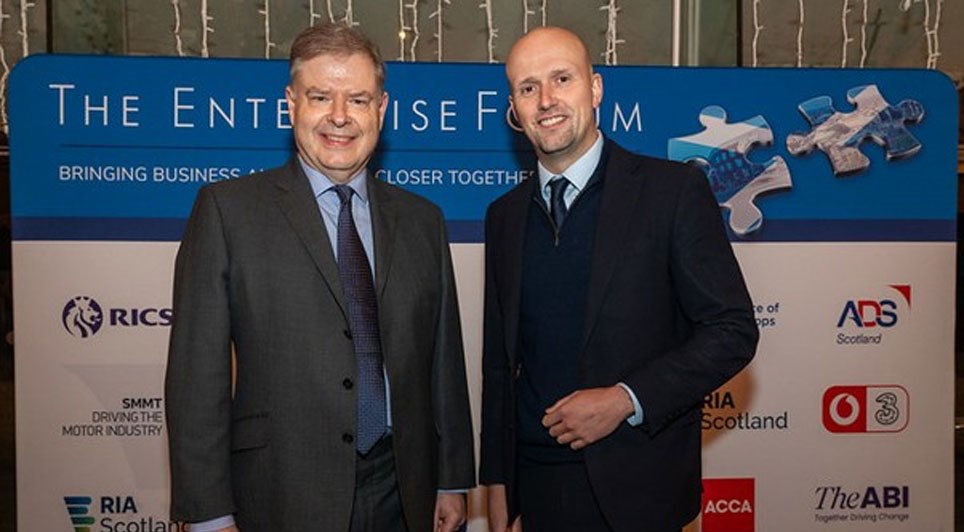
Those pictured at the 2026 WESCA EIC Awards included Mark Riley, Project Controls Lead at Phillips 66 Limited and a member of the LFT technical reference group; ECITB Director of Strategy and Policy David Nash; ECITB Head of Research, Insights and Evaluation Franziska von Blumenthal; Mark Rouse, Director for the Nuclear Skills Plan and Co-chair of the Nuclear Skills Delivery Board; and Doug Forbes, Director at Whole Life Consultants Limited, which supported LFT development.