Scotland
 UK
UK Ireland
 London

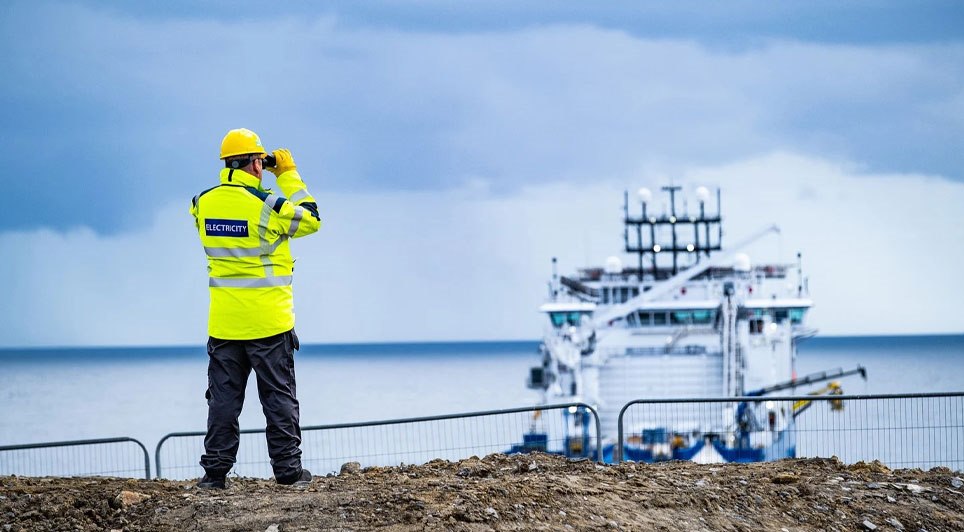
SSEN Transmission is extending marine survey work within St Magnus Bay on the west coast of mainland Shetland, focusing around Minn Islesburgh and near Mavis Grind. The activity will be undertaken by vessels already operating in the area, including the Viking Reach and Northern Maria, and a Notice to Mariners will set out vessel movements and timings.
Landfall options to the south around Mavis Grind were previously considered but not progressed due to engineering constraints; the newly identified area may offer a more suitable alternative. The surveys will capture detailed seabed and coastal data to inform ongoing project design for the proposed subsea cable delivering a second High Voltage Direct Current (HVDC) connection between Shetland and the Scottish mainland.

Recent assessments have ruled out Wethersta as a potential landfall due to identified challenges. No final decisions have been taken on the marine route or landfall, with Braewick and Yell Sound still under consideration alongside Minn Islesburgh.
From the chosen landfall, the HVDC cable would be installed entirely underground to the proposed Northern Hub in northern mainland Shetland. SSEN Transmission will confirm dates in the coming weeks for a new round of consultation events presenting landfall options and updated Northern Hub proposals.
David Inge, Development Portfolio Manager from SSEN Transmission, said: "Extending our marine survey work in this area is an important step in identifying the most suitable landfall location for the Shetland HVDC Link 2.
"By gathering detailed information on seabed and coastal conditions, we can better inform the design of the project and help minimise potential impacts on local communities and the environment.
"We recognise the importance of this work to those who live and work in the area and will continue to engage with local communities and marine stakeholders as survey work progresses. We will soon announce consultation dates where people can view current cable landfall options and meet with the project team. Public feedback is a vital part of helping to shape our proposals, and we thank everyone who has taken the time to share their views, as we continue to gather evidence to better inform our marine and onshore assessments."