Scotland
 UK
UK Ireland
 London

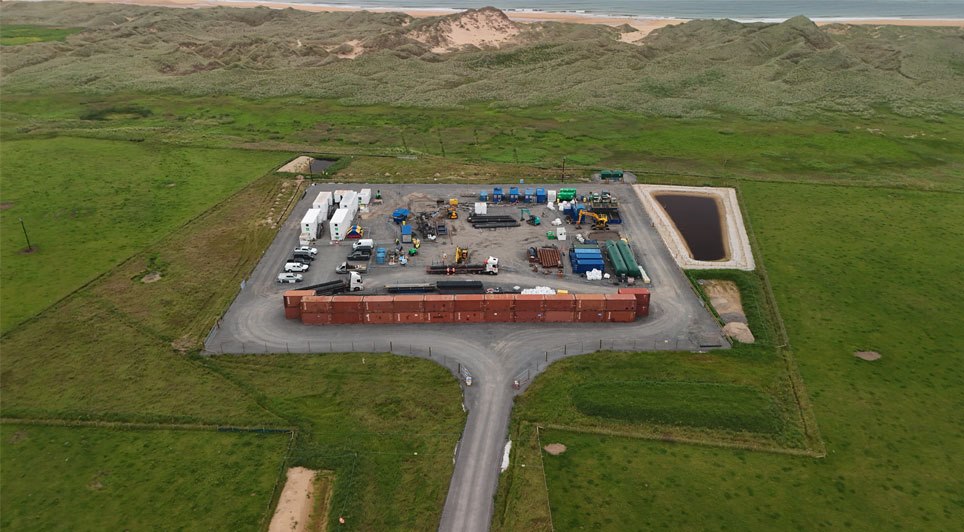
Green Cat Contracting has been selected to construct the HydroGlen project, a world-leading demonstration project at the James Hutton Institute's Glensaugh research farm.
HydroGlen aims to showcase how farming communities can become self-sufficient in energy production by combining renewable energy sources, hydrogen technology, and battery storage. The project will feature wind or solar power generation, an electrolyser to produce hydrogen, high- and low-pressure hydrogen storage, a compression and refuelling system, a water purifier, and a battery energy storage system.
The project is expected to significantly reduce carbon emissions in the agriculture sector, particularly for heavy-duty vehicles. It will also provide a reliable source of energy, mitigating the impact of extreme weather events and addressing fuel poverty.

The scalable and modular nature of HydroGlen means it can be adapted to other farms, contributing to a more sustainable and resilient agricultural sector.
Speaking of this new partnership, HydroGlen Development Officer, Niamh Carr, said: "The James Hutton Institute is thrilled to partner with Green Cat Contracting as our chosen contractor for HydroGlen, marking a pivotal step into the construction phase of the project. Together, we're building a cutting-edge pilot farm-scale green hydrogen and renewable energy facility at our research farm Glensaugh in Aberdeenshire, driving innovation for a more sustainable future."
Gavin Catto, Chief Executive, Green Cat Contracting, said, "Green Cat is delighted to be working with the James Hutton Institute on this important project.
"Green Cat has been supporting the farming and other rural business sectors to decarbonise for the last 20 years. Our expertise in renewable energy, green hydrogen and complex system integration makes this a perfect project for us – one that we look forward to delivering over the course of the next year."
HydroGlen, which was awarded £6.2 million from the Scottish Government's Just Transition Fund in 2022, is due to be completed at the end of 2025. It will provide a demonstrator project from which government, farming communities and co-operatives, scientists and others can learn. It is hoped it will influence policy change; increase the number of hydrogen projects and provide technological development, skills training and green jobs.