Scotland
 UK
UK Ireland
 London

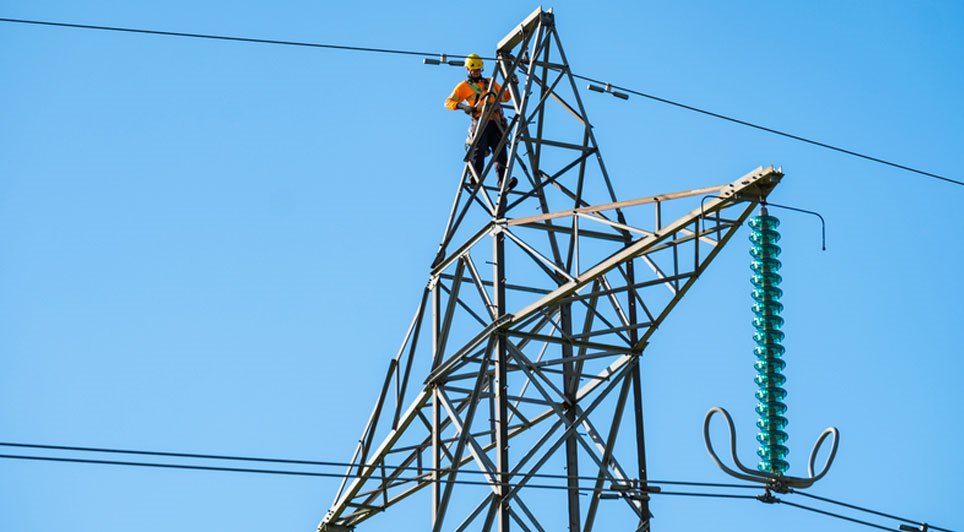
As Scotland prepares for its first men's World Cup appearance since 1998, teams across SSE are gearing up to manage what is expected to be one of the largest overnight electricity surge events in Scottish history.
The opening match against Haiti, kicking off in Boston at 02:00 BST on Sunday 14 June, is expected to draw massive viewing audiences across households, bars, and dedicated fan zones. Operational engineers anticipate a 5–10% increase in overnight electricity demand across the north of Scotland during what is traditionally one of the quietest periods for the electrical network.
The energy landscape has transformed fundamentally since Scotland's last men's World Cup appearance nearly three decades ago. In 1998, the nation's electricity system relied heavily on fossil fuels and nuclear generation. Today, the grid is predominantly powered by renewable sources, utilising major assets ranging from the Seagreen Offshore Wind Farm to historic hydro stations like Pitlochry.
Additionally, the long-term mechanics of the grid have evolved. The growing adoption of electric vehicles, heat pumps, and energy-efficient housing is actively reshaping overnight demand baselines, even as overall electricity consumption rises toward a projected doubling by 2050.

At the heart of the match-day operation are SSE's control room teams. These specialists monitor the system in real time to respond instantly to sudden fluctuations in demand, securing network stability across both transmission and distribution grids during high-profile national events.
Paul Murray, Head of SSE Distribution Control, said: "We're proud to be helping power Scotland's supporters as they tune in to cheer on the team at a World Cup for the first time in a generation.
"Scotland's electricity system has never been more central to everyday life, and moments like this highlight the importance of a modern, resilient network that can respond to changes in demand. Behind the scenes, our teams are monitoring and managing the system to ensure a reliable supply to homes and businesses.
"Our ongoing investment in Scotland's energy infrastructure is creating a lasting legacy — and we hope the team can do the same on the pitch."
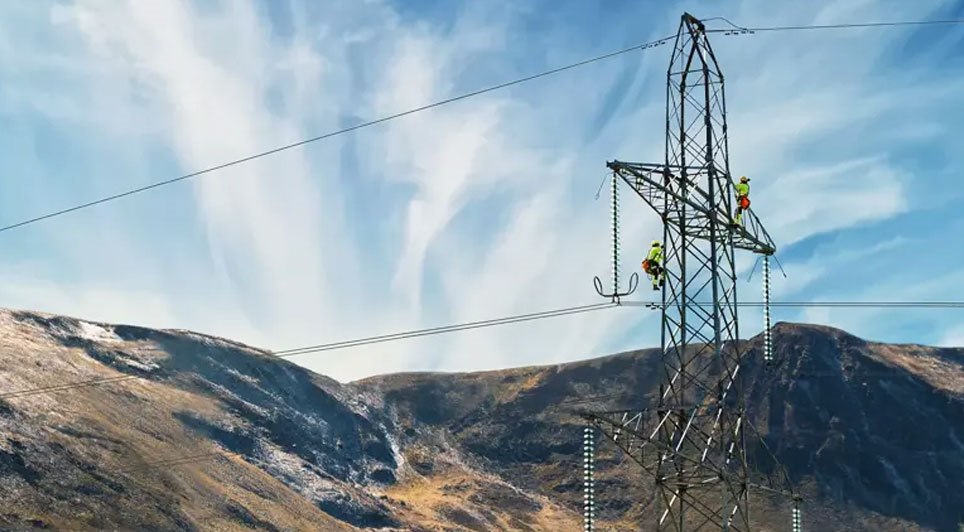
To accommodate long-term growth and maintain grid resilience, SSE is currently delivering a £25 billion investment programme over a five-year period. This capital is allocated to strengthen and expand transmission and distribution infrastructure across the north of Scotland, directly supporting renewable generation integration and vital network upgrades.
This large-scale investment is also fostering a new generation of industry professionals tasked with building future-proof infrastructure. Chloë Crawford, a Trainee Project Manager at SSEN Transmission, is among those currently working on modernising Scotland's network.
She said: "I wasn't even born the last time Scotland played at a World Cup, so it's pretty amazing to see the country get behind the team and know I'm experiencing it for the first time. It really brings home just how much has changed since 1998, not just in football, but in our energy system too.
"I love being part of that transition to cleaner energy, it's exciting to know that, in my own way, I'm helping support a system that's more sustainable, resilient and ready for moments when the whole country switches on at once."