Scotland
 UK
 Ireland
 London


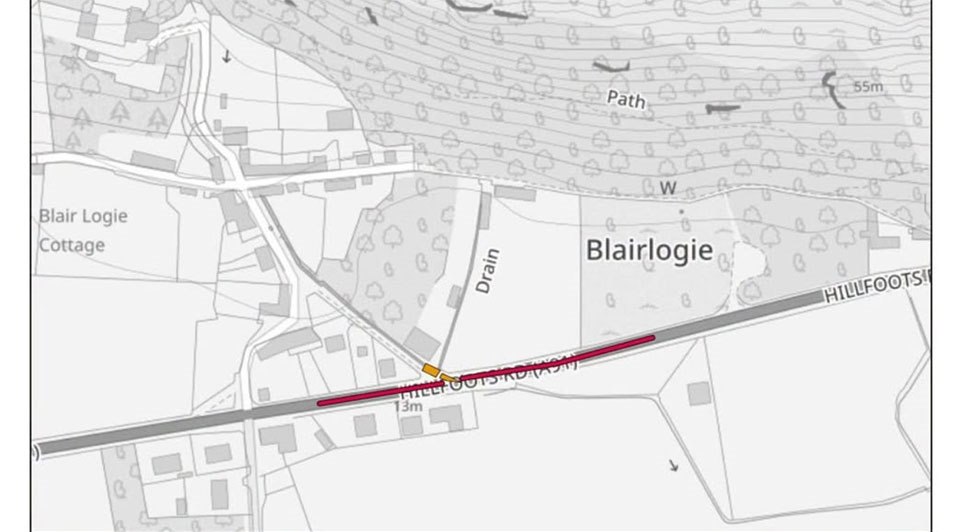
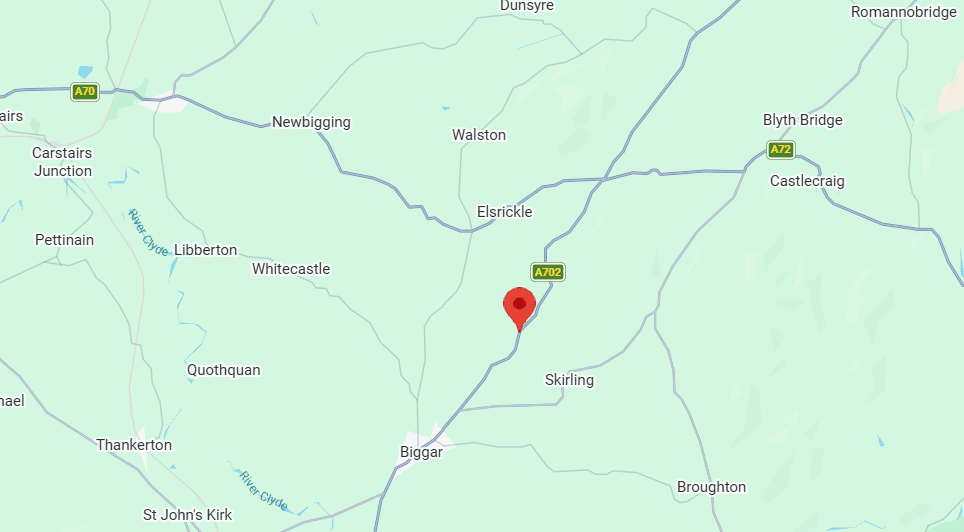
Contractor RJ McLeod is ensuring that environmental considerations are being prioritised in order to mitigate the effects of construction during the £9.6million road improvement project of the A9 at Berriedale Braes, north of Inverness.
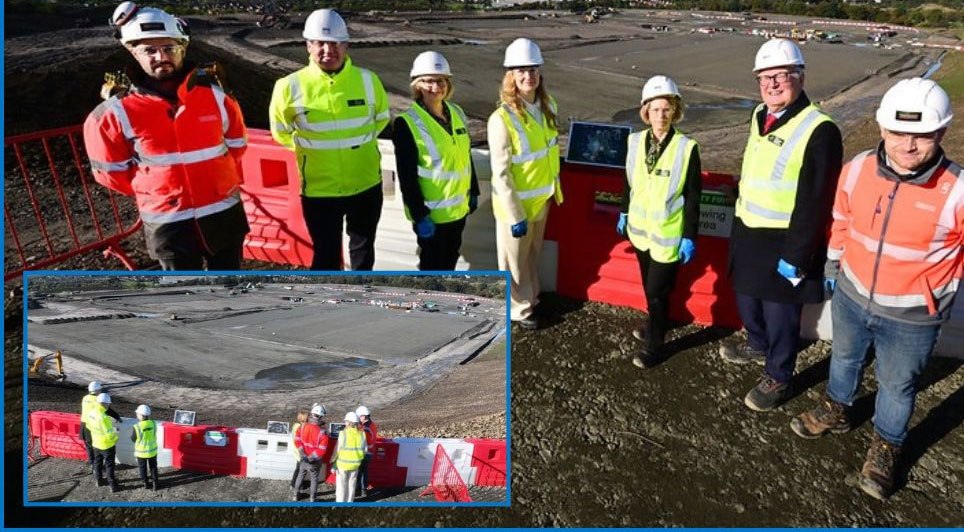
The Cabinet Secretary for Transport, Infrastructure & Connectivity Michael Matheson also visited the site to view the progress of the construction work to remove the hairpin bend on the A9, which is on schedule to be completed by next spring, subject to exceptionally adverse weather.
He also observed how the contractor is using alternative techniques to remove rock and consequently avoid disturbance to the nearby coastal bird colony during breeding season.

Mr Matheson also viewed the findings from the archaeological excavations which show that this section of the A9 was once the site of a seasonal camp dating as far back as the Mesolithic period in 6,000 BC. Numerous flints and other small tools were found which are believed to have been used for hunting, working with animal hides and other daily tasks. Together with the remains of small shelters and fires, it is believed by the archaeologists that these artefacts provide information on the earliest humans living in Caithness.
Mr Matheson said: "The finds unearthed here at Berriedale Braes are truly fascinating and provide a rare glimpse into Scotland’s ancient past. Indeed, the archaeologists believe the finds are all that survive of some of the earliest traces of humans to have lived in the area and provide evidence of life in the far north of Scotland thousands of years ago.
"The discoveries which could have remained uncovered had works not progressed on the A9 Berriedale Braes project underline the importance of the value we place on meeting our environmental obligations as we plan and construct essential new infrastructure."