Scotland
 UK
 Ireland
 London


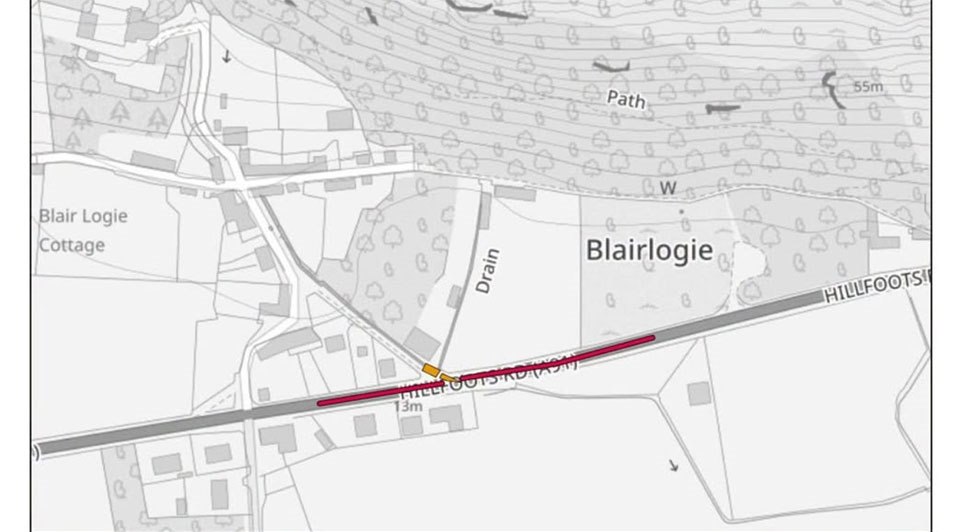
A solution to prevent otters from being hit on a busy Perthshire trunk road has been hailed a success following the installation of specially designed otter-friendly apparatus into the road drainage system.
New otter sized steps and ramps, along with headlight reflectors installed at otter height, are amongst a bundle of measures developed to prevent the furry mammals from taking a life threatening journey across the A9 at Pitlochry and Dunkeld.
The project to adapt the drains (also called culverts) was completed in November and is one of many various wildlife support schemes commissioned by Transport Scotland as an integral part of the transport network’s maintenance and upgrade.
Angus Corby, Landscape Advisor at Transport Scotland, said: "So far the otter friendly culverts and reflector system have provided excellent results in deterring otters from crossing the road and we're delighted with this outcome.

"We have been working together with Scotland Transerv for a number of years across north west Scotland on this, and other projects, with the aim of reducing wildlife fatalities and protecting species found on the network, and it is satisfying to see these efforts rewarded."
Built within the stream cascades, the mini steps, ramps and entry points help the animals to scramble up and down the under road drainage tunnels whilst at the roadside fences guide the otters to these safe passageways. The use of reflectors at the edge of the carriageway also reflect vehicle headlights at the otter’s eye level, aiming to put the creatures off trying to cross the road.
The project came about following reports from a local wildlife group, Pitlochry Scottish Wildlife Trust, of increasing numbers of the European Protected Species being hit by vehicles on the trunk road.
Ongoing monitoring indicates that these solutions are proving very effective at successfully guiding otters to use their new route, with no reported otter deaths at the sites since works to change the culverts began in 2007. The location concerned had unfortunately seen over 20 otters killed on the road during the previous five years.
The decision to adapt the original drainage system, built circa 1986 along with a new section of the A9, followed an investigation where it was observed that natural otter movements were frequently made between their habitat areas at the high ground on one side of the A9, and the feeding areas within Loch Faskally and the rivers Tay and Tummel on the other.
(GK/BMcC)