Scotland
 UK
UK Ireland
 London


The Glass Shop Online Ltd
Telephone
Click to view
Mobile
Click to view
Website
Contact
Enquiries
Email
Opening Hours
We are available 24 hours a day 7 days a week for support and enquiries.
Toughened, Laminated, Double-glazed - Glass Shop Online
About The Glass Shop Online Ltd
Order toughened glass, laminated glass, mirrors, fire-rated glass, and double glazed units cut to your exact measurements. Get instant pricing online, fast turnaround, and expert help for custom or unusual jobs.
Choose Your Glass
Browse our 7 categories and find the right glass type for your project.
Configure to Size
Enter your exact dimensions, shape, edge finish and processing options.
Order Online
Add to cart and checkout securely. Instant pricing for standard specs.
Delivered to You
Your glass is professionally cut and safely delivered. Lead times are product dependent — your order confirmation will include your approximate lead time — a confirmed delivery date will follow within 48 working hours.
Toughened Glass Cut to Size
Our BS EN 12150 certified toughened glass is up to 5 times stronger than standard float glass and shatters safely into small granules if broken.
Ideal for shower screens, balustrades, tabletops, partitions, doors, and flooring. Available in clear, low iron, tinted, and satin options with a wide range of thicknesses and edge finishes.
Toughened Laminated Glass Cut to Size
Maximum safety and security glass. Two layers of toughened glass permanently bonded with a high-performance PVB, EVA or SGP interlayer.
Offers superior impact resistance, acoustic performance, and holds together when broken. Perfect for overhead glazing, balustrades, floors, and high-risk areas where safety and security are critical.
Laminated Glass Cut to Size
Excellent for noise reduction and UV protection. Popular for windows, doors, partitions, canopies, and heritage projects where maintaining integrity after breakage is essential.
Mirrors Cut to Size
Bespoke mirrors made to your exact measurements. High-quality silvered mirrors in clear, bronze, grey, and antique finishes.
Available in standard and safety-backed options. Perfect for bathrooms, wardrobes, gyms, feature walls, and commercial fit-outs.
Fire Rated Glass Cut to Size
30 to 120 minute fire protection. Premium Pyroguard and Pyrostop and more fire-rated glass offering integrity and insulation. Fully certified for use in fire doors, screens, partitions, and windows.
Essential for commercial buildings, schools, hospitals, and residential projects requiring strict fire compliance.
Double Glazed Units Cut to Size
Energy-efficient sealed units made to measure. High-performance double glazed units with a wide range of glass combinations, coatings, and gas fills for superior thermal and acoustic insulation.
Available in standard, slimline, and large-format options. Ideal for windows, doors, conservatories, and orangeries.
Heritage DGU Cut to Size
Slim profile units for period properties. Specially designed slim double-glazed units that maintain the original look of single glazing while providing modern thermal performance.
Perfect for listed buildings, conservation areas, sash windows, and traditional timber frames.
The Glass Shop Online Ltd.
5
out of 5
based on 12 ratings.
Reviews & Testimonials for The Glass Shop Online Ltd

Really great to deal with .. communication and advice was great, something you often don’t get now with organising deliveries .. a breath of fresh air and even helped advise us after our own mistake on site ??
August 29, 2026
Testimonial by
Lindsey Haines
Testimonial by
Lindsey Haines
Really helpful and swift production.
Greatly appreciated.
Greatly appreciated.
August 06, 2026
Testimonial by
Vehicle Collection
Testimonial by
Vehicle Collection
Excellent supplier with consistently quick turnaround times. Always helpful, accommodating, and easy to deal with. We've had great service throughout and have no complaints. Highly recommended!
August 04, 2026
Testimonial by
Peak Playgrounds
Testimonial by
Peak Playgrounds
Quality glass received on time.
July 17, 2026
Testimonial by
D Roberts
Testimonial by
D Roberts
Great service, for a great price
Double checked my order and measurements to ensure everything was correct.
Double checked my order and measurements to ensure everything was correct.
June 17, 2026
Testimonial by
Ben Halcomb
Testimonial by
Ben Halcomb
Price was good. Advice was great. Ordered two pieces of toughened clear glass and holes cut. Service was smooth. Will use these guys again without hesitation. Absolutely recommend.
May 07, 2026
Testimonial by
Hamish Mcknight
Testimonial by
Hamish Mcknight
From communication to delivery, it was a smooth journey, without any surprises. The glass panel order specifications were respected in full and the panel was protected properly for transport.
Highly recommend the supplier.
Highly recommend the supplier.
May 07, 2026
Testimonial by
BLS
Testimonial by
BLS
always a good service issues around delivery but was dealt with promptly!
April 19, 2026
Testimonial by
Minster Care Group
Testimonial by
Minster Care Group
Excellent service
bespoke mirrors made upon request very efficiently
bespoke mirrors made upon request very efficiently
April 17, 2026
Testimonial by
Duncan Harkness
Testimonial by
Duncan Harkness
Great experience ordering from this company, fair pricing, and a smooth delivery straight to the site. The glass is exactly as described. Will definitely use them for my next project!
April 17, 2026
Testimonial by
Bob 3
Testimonial by
Bob 3
Mr Manley was extremely helpful and proactive with supplying me with good advice and supplying my glass on a timely basis
April 17, 2026
Testimonial by
Gerrards Cross Shopper
Testimonial by
Gerrards Cross Shopper
Quality glass received on time.
January 18, 2026
Testimonial by
Alastair Laws
Testimonial by
Alastair Laws
Gallery
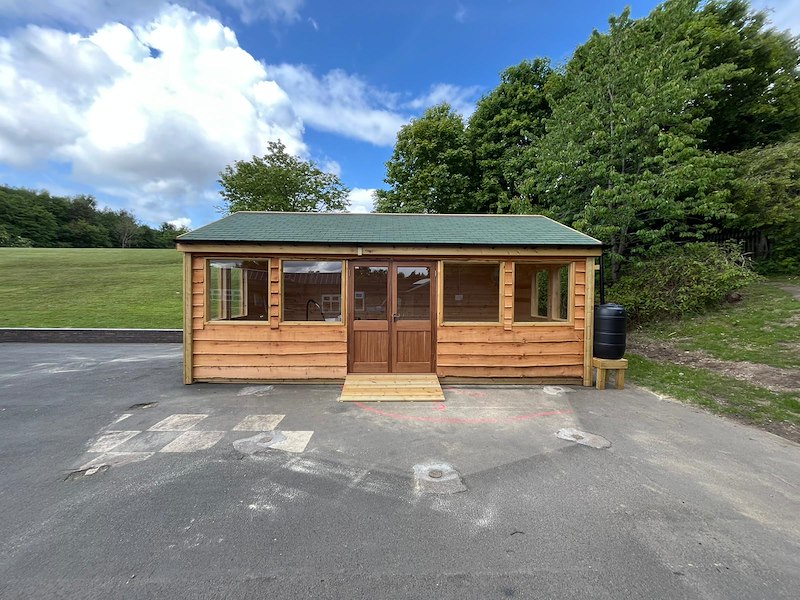
6.4mm laminate cut to size for external building windows
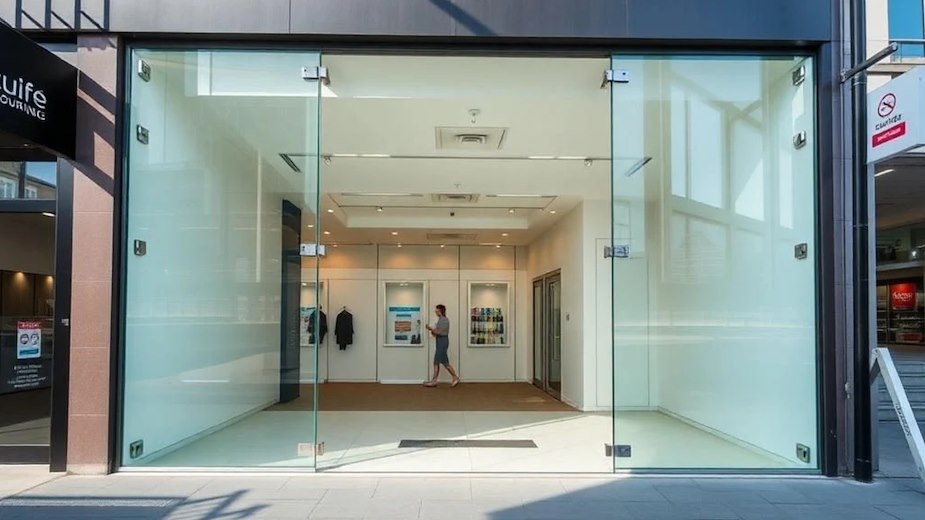
Toughened glass cut to size for shop front door set
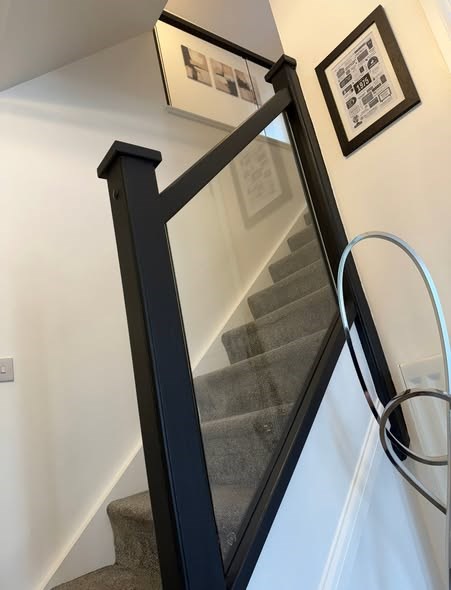
8mm toughened glass installed in a base and handrail system for a domestic staircase.
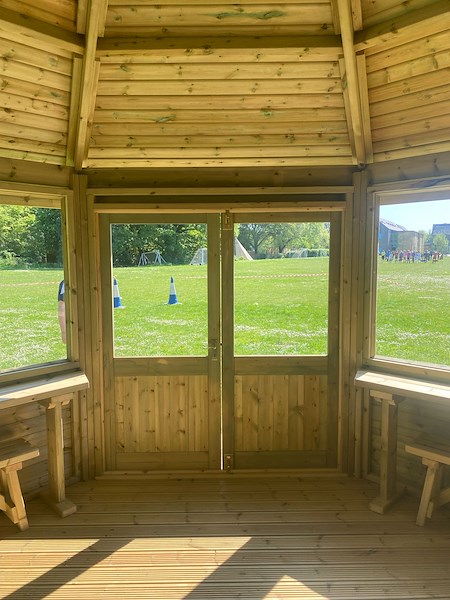
6.4mm laminated glass used in an outside classroom building
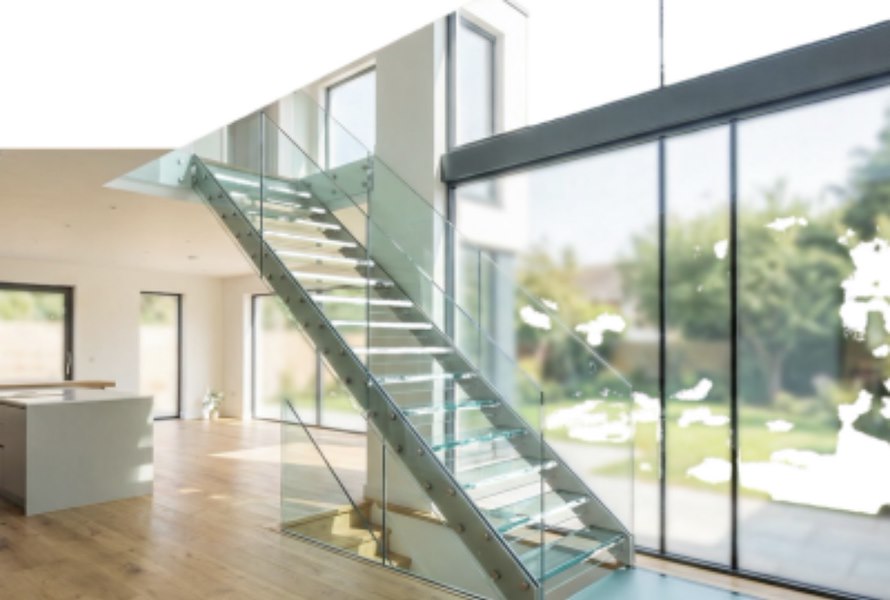
Toughened laminated glass treads and glass balustrade for a staircase
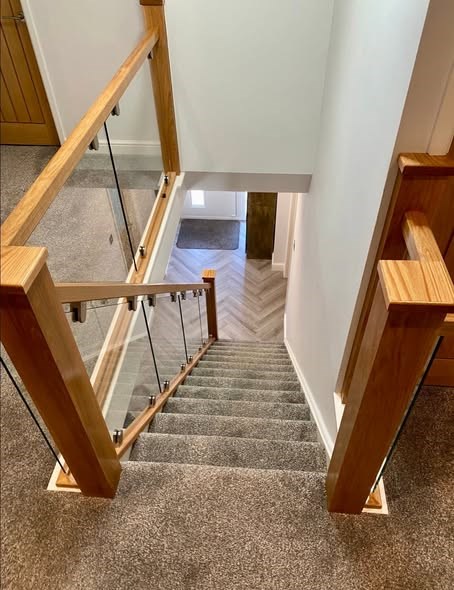
8mm toughened glass shaped for the angle of the staircase, installed with glass clamps.
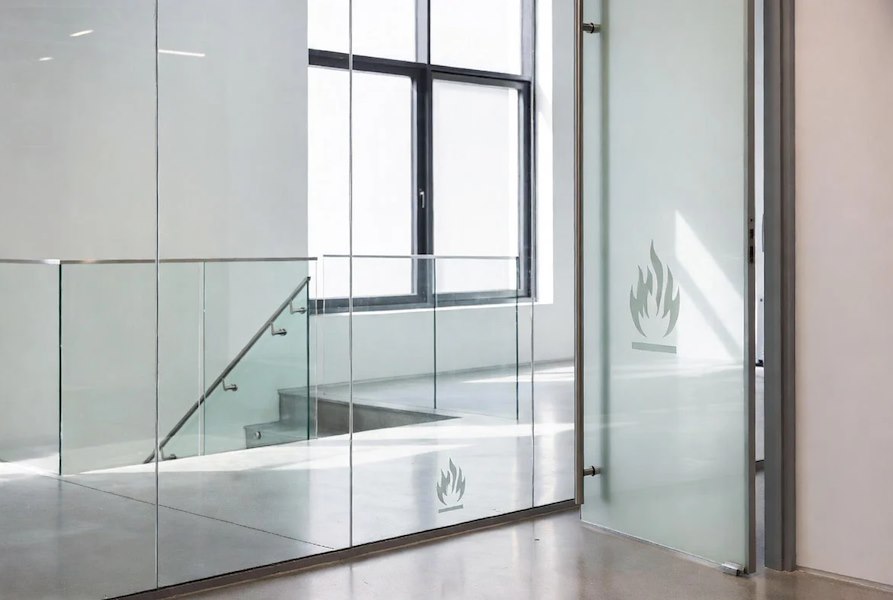
Glass balustrade
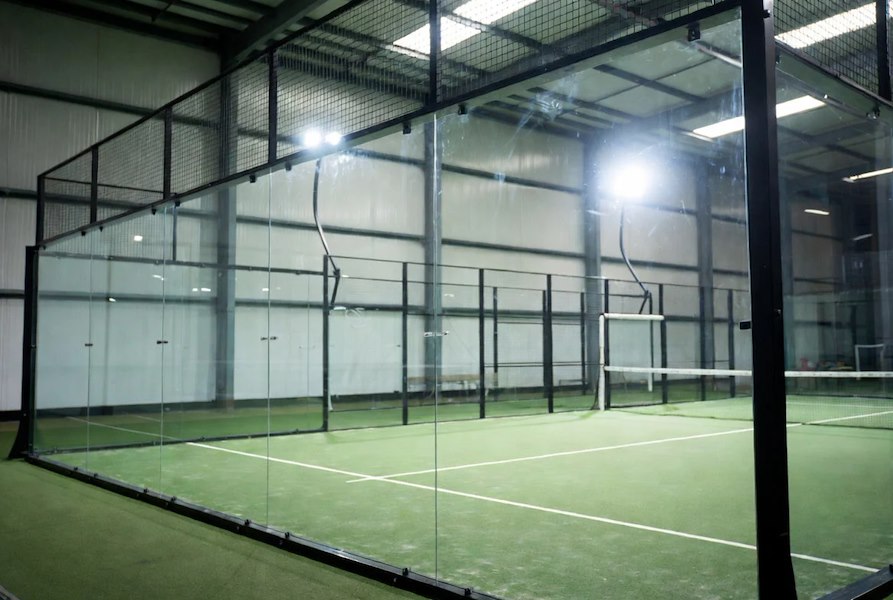
12mm toughened glass for padel court glazing.
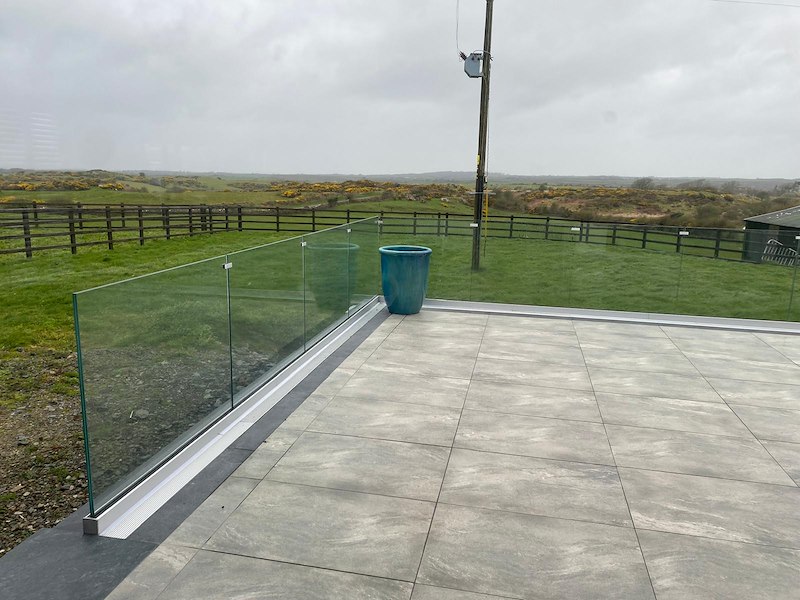
Toughened laminated glass in base channel. Low level balustrade with high wind loads.

Company logo
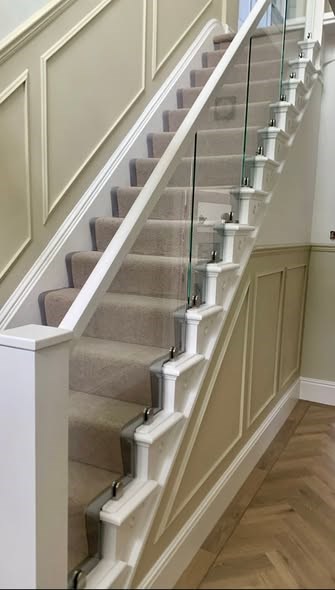
10mm toughened glass, cnc shaped around the stair treads.
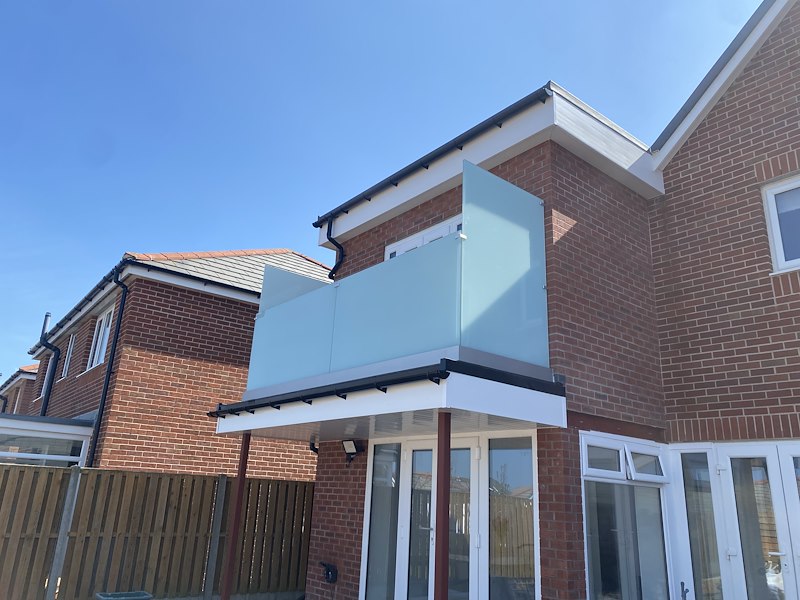
Balcony balustrade - toughened laminated glass with frosted interlayer for privacy
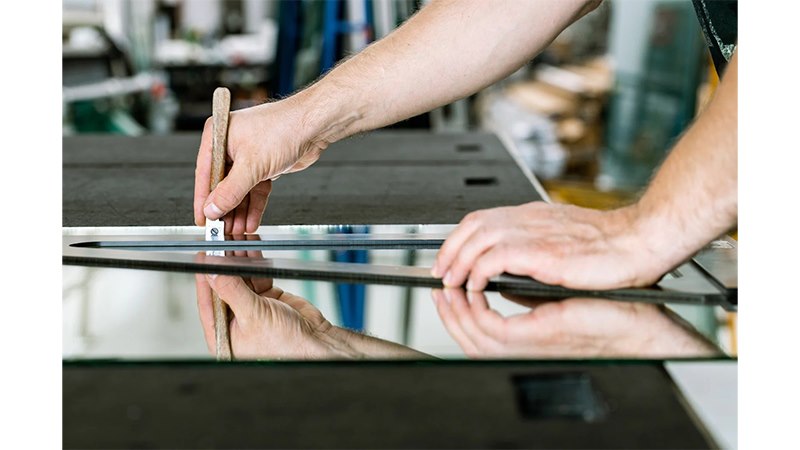
Mirror glass cut to size
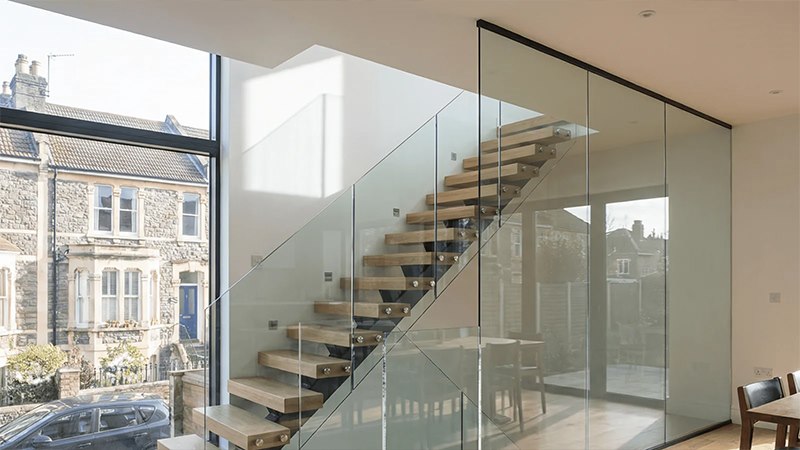
Partition Glazing, toughened glass in a base and ceiling channel.
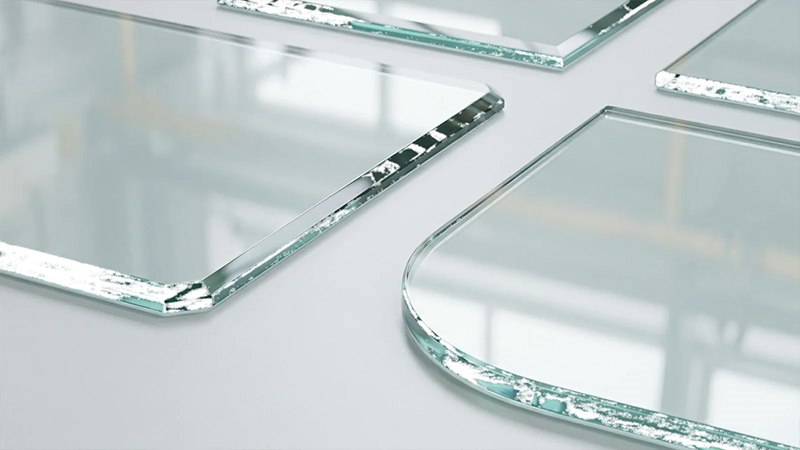
Cut glass, shapes
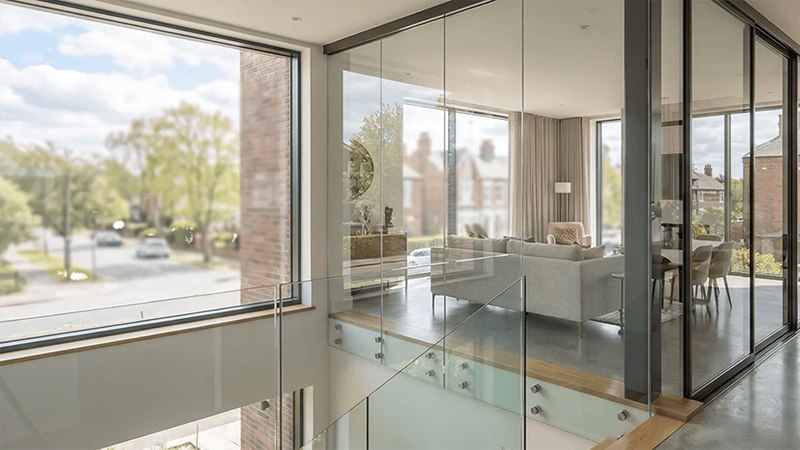
Toughened balustrade glass
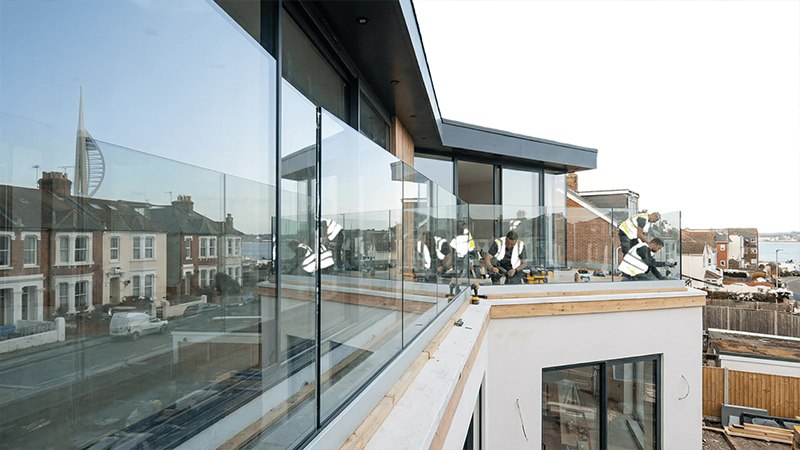
Toughened Laminated Glass for an external balustrade with base channel system.
News
Heritage and listed-building work lives or dies on sightlines, authenticity and what the conservation officer will accept. Specifying a unit that is too thick, has the wrong sightline or looks modern is one of the quickest ways to get a rejection and delay the programme.
At The Glass Shop Online we supply slimline double glazed units and vacuum units for period properties, sash windows and listed buildings. We help trade customers choose options that improve thermal performance while staying as close as possible to original appearance.
The short answer for trade: Standard slimline units are typically 12 mm or 14 mm overall thickness. Slimmer vacuum units exist at around 8 mm. Whether they pass planning depends on the individual building and the conservation officer. Typical maximum sightlines for listed work are around 5.5 mm to 7 mm. Slimline is usually the practical choice when the frame and planning allow; vacuum is the thinner (and more expensive) option when they do not.
Slimmest Units That Still Get Used
The units most commonly used on heritage-type buildings are:
Standard slimline DGUs — 12 mm or 14 mm overall thickness
Vacuum units — around 8 mm overall
Whether a given thickness is accepted is decided by the building, the local authority and the conservation officer. There is no single national “approved” thickness that works everywhere.
https://www.glassshoponline.com/blogs/news/slimline-heritage-glass-units
At The Glass Shop Online we supply slimline double glazed units and vacuum units for period properties, sash windows and listed buildings. We help trade customers choose options that improve thermal performance while staying as close as possible to original appearance.
The short answer for trade: Standard slimline units are typically 12 mm or 14 mm overall thickness. Slimmer vacuum units exist at around 8 mm. Whether they pass planning depends on the individual building and the conservation officer. Typical maximum sightlines for listed work are around 5.5 mm to 7 mm. Slimline is usually the practical choice when the frame and planning allow; vacuum is the thinner (and more expensive) option when they do not.
Slimmest Units That Still Get Used
The units most commonly used on heritage-type buildings are:
Standard slimline DGUs — 12 mm or 14 mm overall thickness
Vacuum units — around 8 mm overall
Whether a given thickness is accepted is decided by the building, the local authority and the conservation officer. There is no single national “approved” thickness that works everywhere.
https://www.glassshoponline.com/blogs/news/slimline-heritage-glass-units
Cut-to-size glass for trade is specified against the job, not against a catalogue. Wrong thickness, single toughened where toughened laminated is required, a fire rating without paperwork, or a heritage unit the conservation officer will reject — that is a callback and a second pane.
The Glass Shop Online supplies UK trade with cut-to-size toughened glass, toughened laminated glass, laminate, mirrors, fire-rated glass, double glazed units and heritage DGUs. Toughened is manufactured to BS EN 12150. Toughened laminated meets BS EN 14449 and BS EN 12150. We cut to the specification you or your engineer provide. We do not replace building control or a structural engineer.
https://www.glassshoponline.com/pages/glass-for-trade-professionals
The Glass Shop Online supplies UK trade with cut-to-size toughened glass, toughened laminated glass, laminate, mirrors, fire-rated glass, double glazed units and heritage DGUs. Toughened is manufactured to BS EN 12150. Toughened laminated meets BS EN 14449 and BS EN 12150. We cut to the specification you or your engineer provide. We do not replace building control or a structural engineer.
https://www.glassshoponline.com/pages/glass-for-trade-professionals
A lot of people know they need a sealed unit, but they are not completely sure what specification they actually need. That is where expensive mistakes usually begin.
The wrong thickness, the wrong pane make-up, or the wrong assumption about safety glass can leave you with a unit that does not suit the frame, does not meet the job, or needs remaking.
The short answer: The right double glazing specification depends on where the unit is being fitted, the required thermal performance, whether safety glass is needed, and the overall thickness the frame can accept. The best choice is rarely the most expensive by default; it is the unit that matches the project’s actual performance and safety needs.
The first thing we would check
Before anything else, we would check what the unit is going into. Frame allowance matters. Safety requirements matter. Thermal performance matters. You cannot choose the right unit in isolation from the job.
If you start with the opening, the frame limits, and the application, the rest of the spec becomes much easier to narrow down.
What usually changes the specification
The main things that affect the specification are whether safety glass is required, whether low E or better thermal performance is needed, and what overall thickness the frame can accept.
That is why we would not automatically push the most expensive option. The right unit is the one that actually suits the application and performs as it needs to.
Where people lose money
One common mistake is assuming toughened glass is always required in a sealed unit. Another is getting the overall thickness wrong. Both can turn into a remake very quickly because sealed units are bespoke.
If the project is at height or within a regulated application, we would always want that checked properly before the order is finalised.
How to make the decision properly
If you are not sure, work through it in this order: what the unit is for, whether safety glass is needed, what thermal performance matters, and what thickness the frame allows.
Once that is clear, pricing the correct unit becomes much more straightforward.
Related Reading
Choosing the Right Glass for Your Project
Common Glass Ordering Mistakes (And How to Avoid Them)
Do You Need Safety Glass in Double Glazing?
If you want help with the specification
We will check your specification before cutting. Fast turnaround times help keep your project moving.
Clear delivery timelines make it easier to plan the next step. If you already have the sizes or the frame details, send them over and we can help sense-check the unit specification before you order. We would rather help you get the right unit first time than see you pay twice for the wrong one.
Send Your Project Details Now
Questions you might still have
Do I need low E glass?
When does a sealed unit need toughened glass?
How do I measure a double glazed unit?
Can you help if I am unsure what unit specification to order?
Article by Ryan Manley • Glass Shop Online • Expert guidance on choosing and ordering the right glass for your project.
The wrong thickness, the wrong pane make-up, or the wrong assumption about safety glass can leave you with a unit that does not suit the frame, does not meet the job, or needs remaking.
The short answer: The right double glazing specification depends on where the unit is being fitted, the required thermal performance, whether safety glass is needed, and the overall thickness the frame can accept. The best choice is rarely the most expensive by default; it is the unit that matches the project’s actual performance and safety needs.
The first thing we would check
Before anything else, we would check what the unit is going into. Frame allowance matters. Safety requirements matter. Thermal performance matters. You cannot choose the right unit in isolation from the job.
If you start with the opening, the frame limits, and the application, the rest of the spec becomes much easier to narrow down.
What usually changes the specification
The main things that affect the specification are whether safety glass is required, whether low E or better thermal performance is needed, and what overall thickness the frame can accept.
That is why we would not automatically push the most expensive option. The right unit is the one that actually suits the application and performs as it needs to.
Where people lose money
One common mistake is assuming toughened glass is always required in a sealed unit. Another is getting the overall thickness wrong. Both can turn into a remake very quickly because sealed units are bespoke.
If the project is at height or within a regulated application, we would always want that checked properly before the order is finalised.
How to make the decision properly
If you are not sure, work through it in this order: what the unit is for, whether safety glass is needed, what thermal performance matters, and what thickness the frame allows.
Once that is clear, pricing the correct unit becomes much more straightforward.
Related Reading
Choosing the Right Glass for Your Project
Common Glass Ordering Mistakes (And How to Avoid Them)
Do You Need Safety Glass in Double Glazing?
If you want help with the specification
We will check your specification before cutting. Fast turnaround times help keep your project moving.
Clear delivery timelines make it easier to plan the next step. If you already have the sizes or the frame details, send them over and we can help sense-check the unit specification before you order. We would rather help you get the right unit first time than see you pay twice for the wrong one.
Send Your Project Details Now
Questions you might still have
Do I need low E glass?
When does a sealed unit need toughened glass?
How do I measure a double glazed unit?
Can you help if I am unsure what unit specification to order?
Article by Ryan Manley • Glass Shop Online • Expert guidance on choosing and ordering the right glass for your project.
Most expensive glass mistakes do not happen after the order is placed. They happen before it, when the wrong product is chosen, the measurements are not right, or the small details are guessed instead of confirmed.
Because most glass orders are bespoke, a mistake at that stage is rarely a minor inconvenience. It usually means delay, extra cost, and having to start again.
The short answer: The most common glass ordering mistakes are ordering the wrong specification for the application, providing incorrect measurements, misunderstanding terminology, and assuming the cheapest option is automatically the best-value option.
Ordering before the application is clear
If you are not completely sure what the glass needs to do, that is where we would pause first. A lot of people know roughly what they want, but not the exact product or spec required for the job.
That is normal, but it does need clearing up before the order goes through.
Giving the wrong sizes or the wrong detail
Incorrect sizes are an obvious problem, but shape details can be just as costly. Wrong angles, unclear cut-outs, or mixed-up corner details can turn a custom panel into scrap just as quickly as a wrong width or height.
If the job includes staircase glass, shaped panels, or anything non-standard, we would always recommend extra care on the measurements and drawing.
Choosing based on price alone
Price matters. We know it is one of the first things most people want to know. But if the cheaper option is not suitable for the application, it stops being the cheaper option the moment it has to be remade.
The better way to save money is to avoid paying for upgrades you do not need while still getting the specification right.
Leaving key questions too late
Lead time, delivery, edge finish, corner details, tolerances, and specification checks are all things worth asking before the order is finalised, not after.
If those points are clear early, the whole process tends to move faster and with a lot less stress.
Want to avoid these mistakes?
If you want to reduce the risk of ordering the wrong product, send the details over before you place the order and we will help you sense-check it.
That is usually the quickest way to avoid the mistakes that cost the most.
Send Your Project Details Now
Questions you might still have
What is the biggest mistake people make when ordering bespoke glass?
Can you check if my specification is correct?
How do I avoid ordering the wrong corner or cut-out detail?
What questions should I answer before requesting a quote?
Article by Ryan Manley • Glass Shop Online • Expert guidance on choosing and ordering the right glass for your project.
Because most glass orders are bespoke, a mistake at that stage is rarely a minor inconvenience. It usually means delay, extra cost, and having to start again.
The short answer: The most common glass ordering mistakes are ordering the wrong specification for the application, providing incorrect measurements, misunderstanding terminology, and assuming the cheapest option is automatically the best-value option.
Ordering before the application is clear
If you are not completely sure what the glass needs to do, that is where we would pause first. A lot of people know roughly what they want, but not the exact product or spec required for the job.
That is normal, but it does need clearing up before the order goes through.
Giving the wrong sizes or the wrong detail
Incorrect sizes are an obvious problem, but shape details can be just as costly. Wrong angles, unclear cut-outs, or mixed-up corner details can turn a custom panel into scrap just as quickly as a wrong width or height.
If the job includes staircase glass, shaped panels, or anything non-standard, we would always recommend extra care on the measurements and drawing.
Choosing based on price alone
Price matters. We know it is one of the first things most people want to know. But if the cheaper option is not suitable for the application, it stops being the cheaper option the moment it has to be remade.
The better way to save money is to avoid paying for upgrades you do not need while still getting the specification right.
Leaving key questions too late
Lead time, delivery, edge finish, corner details, tolerances, and specification checks are all things worth asking before the order is finalised, not after.
If those points are clear early, the whole process tends to move faster and with a lot less stress.
Want to avoid these mistakes?
If you want to reduce the risk of ordering the wrong product, send the details over before you place the order and we will help you sense-check it.
That is usually the quickest way to avoid the mistakes that cost the most.
Send Your Project Details Now
Questions you might still have
What is the biggest mistake people make when ordering bespoke glass?
Can you check if my specification is correct?
How do I avoid ordering the wrong corner or cut-out detail?
What questions should I answer before requesting a quote?
Article by Ryan Manley • Glass Shop Online • Expert guidance on choosing and ordering the right glass for your project.
If you live near a busy road, railway line, or under a flight path, standard double glazing is often not enough. Acoustic glass can make a real difference — but only when specified correctly.
The short answer:
Acoustic glass uses a special sound-dampening interlayer to reduce noise transmission. When combined with asymmetrical glass thicknesses in a double-glazed unit, it delivers noticeable real-world noise reduction.
How acoustic glass actually works
Sound travels in waves. When those waves hit standard glass, the pane vibrates and passes the noise into the room.
Acoustic glass is a specialised laminated glass. It bonds two panes with a premium acoustic PVB interlayer that absorbs sound energy and stops the glass vibrating as much. It is especially effective against higher-frequency noises like traffic, sirens, and voices.
The secret to a good acoustic unit: Asymmetry
Using two panes of the same thickness (e.g. 4mm + 4mm) is one of the worst things for sound insulation — they vibrate at the same frequency and let sound through easily.
The best results come from asymmetrical construction. For example:
6.8mm (or thicker) acoustic laminate on the outside
Standard 4mm or 6mm pane on the inside
Different thicknesses disrupt different sound frequencies, dramatically improving performance.
When is acoustic glass worth the extra cost?
Acoustic glass is a smart investment when you face:
Heavy traffic or main roads
Railway lines
Flight paths
Busy pedestrian areas or late-night venues
In quiet residential areas where you only need to block occasional noise, standard double glazing is usually sufficient.
Common misconceptions
Acoustic glass will not make your room completely soundproof. It significantly reduces volume and changes the character of the noise, making it far less intrusive.
The frame and installation matter just as much as the glass. Poor seals, gaps, or trickle vents will let sound bypass even the best acoustic unit.
Explore Acoustic Glass Options
Browse our full range of acoustic laminated glass here: Acoustic & Laminated Glass Collection
Questions you might still have
Q: Is acoustic glass thicker than standard glass?
A: Yes — the acoustic laminated pane is typically 6.8mm thick (or more), but it can usually fit into standard double-glazed unit depths by adjusting the spacer.
Q: Does acoustic glass also provide security?
A: Yes. As a laminated product, it holds together when broken, offering excellent safety and security benefits alongside noise reduction.
Q: Will a larger gap between the panes improve soundproofing?
A: A wider gap helps a little with low-frequency rumble, but the biggest gains come from the acoustic interlayer and asymmetrical thicknesses.
Ready to reduce noise in your home?
Use our instant Glass Price Calculator to configure acoustic double glazed units and see live pricing.
Open Glass Price Calculator Browse Acoustic Glass
Need help specifying the right acoustic solution for your noise problem? Send us your requirements — we’ll check everything before cutting and advise on the best combination for your budget.
The short answer:
Acoustic glass uses a special sound-dampening interlayer to reduce noise transmission. When combined with asymmetrical glass thicknesses in a double-glazed unit, it delivers noticeable real-world noise reduction.
How acoustic glass actually works
Sound travels in waves. When those waves hit standard glass, the pane vibrates and passes the noise into the room.
Acoustic glass is a specialised laminated glass. It bonds two panes with a premium acoustic PVB interlayer that absorbs sound energy and stops the glass vibrating as much. It is especially effective against higher-frequency noises like traffic, sirens, and voices.
The secret to a good acoustic unit: Asymmetry
Using two panes of the same thickness (e.g. 4mm + 4mm) is one of the worst things for sound insulation — they vibrate at the same frequency and let sound through easily.
The best results come from asymmetrical construction. For example:
6.8mm (or thicker) acoustic laminate on the outside
Standard 4mm or 6mm pane on the inside
Different thicknesses disrupt different sound frequencies, dramatically improving performance.
When is acoustic glass worth the extra cost?
Acoustic glass is a smart investment when you face:
Heavy traffic or main roads
Railway lines
Flight paths
Busy pedestrian areas or late-night venues
In quiet residential areas where you only need to block occasional noise, standard double glazing is usually sufficient.
Common misconceptions
Acoustic glass will not make your room completely soundproof. It significantly reduces volume and changes the character of the noise, making it far less intrusive.
The frame and installation matter just as much as the glass. Poor seals, gaps, or trickle vents will let sound bypass even the best acoustic unit.
Explore Acoustic Glass Options
Browse our full range of acoustic laminated glass here: Acoustic & Laminated Glass Collection
Questions you might still have
Q: Is acoustic glass thicker than standard glass?
A: Yes — the acoustic laminated pane is typically 6.8mm thick (or more), but it can usually fit into standard double-glazed unit depths by adjusting the spacer.
Q: Does acoustic glass also provide security?
A: Yes. As a laminated product, it holds together when broken, offering excellent safety and security benefits alongside noise reduction.
Q: Will a larger gap between the panes improve soundproofing?
A: A wider gap helps a little with low-frequency rumble, but the biggest gains come from the acoustic interlayer and asymmetrical thicknesses.
Ready to reduce noise in your home?
Use our instant Glass Price Calculator to configure acoustic double glazed units and see live pricing.
Open Glass Price Calculator Browse Acoustic Glass
Need help specifying the right acoustic solution for your noise problem? Send us your requirements — we’ll check everything before cutting and advise on the best combination for your budget.
If you’re planning a glass balustrade for a balcony, staircase, terrace or internal feature, getting the glass specification right is one of the most important decisions you’ll make. Safety comes first — these structures must withstand significant loads and prevent falls.
At The Glass Shop Online we supply both toughened and laminated options every day and help customers choose the right one for their project.
The short answer: For most residential and commercial balustrades we recommend toughened laminated glass. It delivers strength, safe breakage and post-breakage performance at a reasonable premium. Toughened alone can work for lower-risk internal jobs, but laminated (or toughened laminated) is the safer choice where height, wind or impact risk is higher.
What is Toughened Glass?
Toughened (also called tempered) glass is heated to high temperatures then rapidly cooled. This process makes it up to five times stronger than ordinary annealed glass. When it breaks, it shatters into small, blunt granules that are far less likely to cause serious injury. It’s a popular, cost-effective choice for many applications.
What is Laminated Glass?
Laminated glass consists of two or more panes bonded together with a tough plastic interlayer (usually PVB). If the glass breaks, the interlayer holds the pieces in place. This prevents large shards from falling and maintains a barrier even after breakage — a major advantage for safety-critical installations.
Key Safety Differences
Toughened glass offers excellent strength and safe breakage. However, once broken the panel loses most of its structural integrity and can drop out of its fixings.
Laminated glass stays intact as a single unit after impact. This “post-breakage performance” is why it’s often preferred — or required — for balustrades, especially at height or in public areas. In many cases toughened laminated (toughened panes with interlayer) combines the best of both worlds.
Cost Comparison
Toughened glass is generally the more economical option. Laminated glass costs significantly more — often 2–3 times the price of equivalent toughened — because of the extra manufacturing steps and materials. Thickness also affects price: common balustrade specs range from 10 mm toughened to 13.5 mm or thicker toughened laminated.
Best Use Cases
Toughened glass works well for lower-risk internal balustrades, Juliet balconies with handrails, or situations where the glass is well supported and loads are moderate.
Laminated or toughened laminated is the safer choice for external balconies, staircases, terraces, point-fixed or channel-set systems, and any location where wind loads or impact risk is higher. It’s especially suitable where the glass must continue acting as a barrier after damage.
Building Regulations and Compliance
UK building regulations require balustrades to meet specific load and safety criteria. Safety glass is usually mandatory, but the exact type depends on height, location and fixing method. Many installations need structural calculations from an engineer, and building control approval is strongly recommended — it’s often a grey area until officially signed off. Never assume “toughened is always enough”; the fixing system and overall design dictate the correct specification.
Maintenance and Longevity
Both types are durable when correctly installed. Toughened glass is straightforward to clean. Laminated glass requires extra care: avoid standing water in channels or around edges, as prolonged moisture can cause delamination over time. Regular inspection of fixings and seals is essential for both.
Our Recommendation at The Glass Shop Online
Safety always comes first — it’s a barrier before it’s an aesthetic feature. For most residential and commercial balustrades we recommend toughened laminated glass. It delivers strength, safe breakage and post-breakage performance at a reasonable premium. We stock a wide range of thicknesses and can advise on the best option for your exact fixing system and location.
Related Reading
Low Iron Glass vs Standard Clear Glass
Choosing the Right Glass for Your Project
Common Glass Ordering Mistakes (And How to Avoid Them)
If you want help with the specification
Measure accurately, decide on your fixing method (channel, spigot, clamp, etc.), and let us know any wind-load or height details. We’ll help you specify the correct glass and provide a fast quote.
Choosing correctly protects your family, meets regulations and gives you peace of mind for years. Let us help you make the right decision.
Send Your Project Details Now
Questions you might still have
Is toughened glass enough for balustrades?
What is toughened laminated glass?
How much more does laminated cost?
Do I need building control approval?
Article by Ryan Manley • Glass Shop Online • E
At The Glass Shop Online we supply both toughened and laminated options every day and help customers choose the right one for their project.
The short answer: For most residential and commercial balustrades we recommend toughened laminated glass. It delivers strength, safe breakage and post-breakage performance at a reasonable premium. Toughened alone can work for lower-risk internal jobs, but laminated (or toughened laminated) is the safer choice where height, wind or impact risk is higher.
What is Toughened Glass?
Toughened (also called tempered) glass is heated to high temperatures then rapidly cooled. This process makes it up to five times stronger than ordinary annealed glass. When it breaks, it shatters into small, blunt granules that are far less likely to cause serious injury. It’s a popular, cost-effective choice for many applications.
What is Laminated Glass?
Laminated glass consists of two or more panes bonded together with a tough plastic interlayer (usually PVB). If the glass breaks, the interlayer holds the pieces in place. This prevents large shards from falling and maintains a barrier even after breakage — a major advantage for safety-critical installations.
Key Safety Differences
Toughened glass offers excellent strength and safe breakage. However, once broken the panel loses most of its structural integrity and can drop out of its fixings.
Laminated glass stays intact as a single unit after impact. This “post-breakage performance” is why it’s often preferred — or required — for balustrades, especially at height or in public areas. In many cases toughened laminated (toughened panes with interlayer) combines the best of both worlds.
Cost Comparison
Toughened glass is generally the more economical option. Laminated glass costs significantly more — often 2–3 times the price of equivalent toughened — because of the extra manufacturing steps and materials. Thickness also affects price: common balustrade specs range from 10 mm toughened to 13.5 mm or thicker toughened laminated.
Best Use Cases
Toughened glass works well for lower-risk internal balustrades, Juliet balconies with handrails, or situations where the glass is well supported and loads are moderate.
Laminated or toughened laminated is the safer choice for external balconies, staircases, terraces, point-fixed or channel-set systems, and any location where wind loads or impact risk is higher. It’s especially suitable where the glass must continue acting as a barrier after damage.
Building Regulations and Compliance
UK building regulations require balustrades to meet specific load and safety criteria. Safety glass is usually mandatory, but the exact type depends on height, location and fixing method. Many installations need structural calculations from an engineer, and building control approval is strongly recommended — it’s often a grey area until officially signed off. Never assume “toughened is always enough”; the fixing system and overall design dictate the correct specification.
Maintenance and Longevity
Both types are durable when correctly installed. Toughened glass is straightforward to clean. Laminated glass requires extra care: avoid standing water in channels or around edges, as prolonged moisture can cause delamination over time. Regular inspection of fixings and seals is essential for both.
Our Recommendation at The Glass Shop Online
Safety always comes first — it’s a barrier before it’s an aesthetic feature. For most residential and commercial balustrades we recommend toughened laminated glass. It delivers strength, safe breakage and post-breakage performance at a reasonable premium. We stock a wide range of thicknesses and can advise on the best option for your exact fixing system and location.
Related Reading
Low Iron Glass vs Standard Clear Glass
Choosing the Right Glass for Your Project
Common Glass Ordering Mistakes (And How to Avoid Them)
If you want help with the specification
Measure accurately, decide on your fixing method (channel, spigot, clamp, etc.), and let us know any wind-load or height details. We’ll help you specify the correct glass and provide a fast quote.
Choosing correctly protects your family, meets regulations and gives you peace of mind for years. Let us help you make the right decision.
Send Your Project Details Now
Questions you might still have
Is toughened glass enough for balustrades?
What is toughened laminated glass?
How much more does laminated cost?
Do I need building control approval?
Article by Ryan Manley • Glass Shop Online • E
Fire-Rated Glass – Benefits & When to Use It
Fire-rated glass is an essential safety product that combines fire resistance with modern design flexibility. At The Glass Shop Online we supply a full range of fire-rated glass solutions, including Pyroguard, Pyrobelite, Pyrobel, Pyrostop, Firesafe and Pyrodur.
Why Fire-Rated Glass Matters
Fire-rated glass is specifically designed to withstand high temperatures and prevent the spread of flames and smoke for a specified period — typically between 30 minutes and 3 hours. This gives occupants vital extra time to evacuate safely and helps firefighters contain the fire.
Key Benefits of Fire-Rated Glass
Fire Resistance — Engineered to stop flames and smoke from spreading, protecting escape routes and buying critical time during a fire.
Safety & Regulatory Compliance — Fully tested and certified to meet strict UK building regulations and fire safety standards.
Natural Light & Visibility — Allows natural light to flow through while maintaining clear visibility — ideal for schools, hospitals, offices and homes.
Design Flexibility — Perfect for modern architectural designs without compromising safety.
Wide Range of Applications — Ideal for fire doors, windows, partitions, screens and balustrades.
Property Protection — Significantly reduces damage to the building and its contents.
Our Fire-Rated Glass Range
We stock and supply the major fire-rated products from leading manufacturers. Browse the full range here:
Pyroguard
Pyrobelite
Pyrobel
Pyrostop
Firesafe
Pyrodur
Whether you need fire-rated glass for a domestic extension, commercial fit-out, school, hospital or high-rise building, we can supply the right specification with polished edges and fast lead times.
Not sure which fire-rated glass you need?
Send us your project details or drawings and we’ll recommend the best product, thickness and configuration for your requirements.
Ready to specify the right fire-rated glass for your project?
Get Your Quote Today ?
Fire-rated glass is an essential safety product that combines fire resistance with modern design flexibility. At The Glass Shop Online we supply a full range of fire-rated glass solutions, including Pyroguard, Pyrobelite, Pyrobel, Pyrostop, Firesafe and Pyrodur.
Why Fire-Rated Glass Matters
Fire-rated glass is specifically designed to withstand high temperatures and prevent the spread of flames and smoke for a specified period — typically between 30 minutes and 3 hours. This gives occupants vital extra time to evacuate safely and helps firefighters contain the fire.
Key Benefits of Fire-Rated Glass
Fire Resistance — Engineered to stop flames and smoke from spreading, protecting escape routes and buying critical time during a fire.
Safety & Regulatory Compliance — Fully tested and certified to meet strict UK building regulations and fire safety standards.
Natural Light & Visibility — Allows natural light to flow through while maintaining clear visibility — ideal for schools, hospitals, offices and homes.
Design Flexibility — Perfect for modern architectural designs without compromising safety.
Wide Range of Applications — Ideal for fire doors, windows, partitions, screens and balustrades.
Property Protection — Significantly reduces damage to the building and its contents.
Our Fire-Rated Glass Range
We stock and supply the major fire-rated products from leading manufacturers. Browse the full range here:
Pyroguard
Pyrobelite
Pyrobel
Pyrostop
Firesafe
Pyrodur
Whether you need fire-rated glass for a domestic extension, commercial fit-out, school, hospital or high-rise building, we can supply the right specification with polished edges and fast lead times.
Not sure which fire-rated glass you need?
Send us your project details or drawings and we’ll recommend the best product, thickness and configuration for your requirements.
Ready to specify the right fire-rated glass for your project?
Get Your Quote Today ?
ersatility of 10 mm Toughened Glass
10 mm toughened glass is one of our best-selling products for good reason — it offers the perfect balance of strength, safety, and versatility for a huge range of applications. At The Glass Shop Online we supply 10 mm toughened glass every single day.
Why 10 mm Toughened Glass is So Popular
Exceptional strength — up to 5 times stronger than ordinary glass
Safety — if it breaks, it shatters into small, blunt granules instead of sharp shards
Thermal safety — can withstand significant temperature changes
Polished edges included free as standard on all our 10 mm toughened glass
Excellent versatility for both domestic and commercial projects
Common Uses for 10 mm Toughened Glass
10 mm toughened glass is the go-to choice for:
Staircase balustrades & glass railings
Glass partitions & room dividers
Shower enclosures & wet rooms
Balconies & Juliet balconies
Table tops & desks
Shelving & display units
Office screens & meeting room dividers
External glass doors & side panels
Splashbacks & kitchen glass
Padel court glass
Available Options & Finishes
We can supply 10 mm toughened glass in a wide range of finishes to suit any project:
Clear – Standard high-quality float glass
Low Iron – Extra-clear with minimal green tint (ideal for high-end installations)
Tinted – Grey and bronze
Frosted / Sandblasted – For privacy while keeping light
All edges are polished as standard at no extra cost, giving every piece a premium, professional finish.
Why Choose 10 mm Over Other Thicknesses?
Thinner than 12 mm or 15 mm ? lighter and more cost-effective
Stronger than 6 mm or 8 mm ? suitable for structural and safety-critical areas
The “sweet spot” for most domestic and commercial projects
Whether you need a single piece for a shower screen or hundreds of panels for a large development, 10 mm toughened glass delivers outstanding performance and value.
Unsure what your project needs?
Use our instant calculator to price toughened glass.
Open Glass Price Calculator Browse Toughened Glass
10 mm toughened glass is one of our best-selling products for good reason — it offers the perfect balance of strength, safety, and versatility for a huge range of applications. At The Glass Shop Online we supply 10 mm toughened glass every single day.
Why 10 mm Toughened Glass is So Popular
Exceptional strength — up to 5 times stronger than ordinary glass
Safety — if it breaks, it shatters into small, blunt granules instead of sharp shards
Thermal safety — can withstand significant temperature changes
Polished edges included free as standard on all our 10 mm toughened glass
Excellent versatility for both domestic and commercial projects
Common Uses for 10 mm Toughened Glass
10 mm toughened glass is the go-to choice for:
Staircase balustrades & glass railings
Glass partitions & room dividers
Shower enclosures & wet rooms
Balconies & Juliet balconies
Table tops & desks
Shelving & display units
Office screens & meeting room dividers
External glass doors & side panels
Splashbacks & kitchen glass
Padel court glass
Available Options & Finishes
We can supply 10 mm toughened glass in a wide range of finishes to suit any project:
Clear – Standard high-quality float glass
Low Iron – Extra-clear with minimal green tint (ideal for high-end installations)
Tinted – Grey and bronze
Frosted / Sandblasted – For privacy while keeping light
All edges are polished as standard at no extra cost, giving every piece a premium, professional finish.
Why Choose 10 mm Over Other Thicknesses?
Thinner than 12 mm or 15 mm ? lighter and more cost-effective
Stronger than 6 mm or 8 mm ? suitable for structural and safety-critical areas
The “sweet spot” for most domestic and commercial projects
Whether you need a single piece for a shower screen or hundreds of panels for a large development, 10 mm toughened glass delivers outstanding performance and value.
Unsure what your project needs?
Use our instant calculator to price toughened glass.
Open Glass Price Calculator Browse Toughened Glass
Owning or renovating a listed building comes with responsibility — and opportunity. Improving energy efficiency without destroying the character of the property is a common goal.
At The Glass Shop Online we specialise in heritage slimline double-glazed units that respect original window proportions while delivering modern comfort.
The short answer: Slimline and vacuum heritage double-glazed units (typically 8–14 mm overall) can dramatically improve energy efficiency while preserving historic sightlines. Always seek Listed Building Consent first — thick modern double glazing is rarely acceptable.
Planning Rules and Listed Building Consent
Any change to windows in a listed building or conservation area usually requires Listed Building Consent. The key principle is that new work must preserve or enhance the building’s special architectural or historic interest. Original thin glass (often 2–4 mm) must be mimicked as closely as possible. Thick modern double glazing that alters sightlines or frame appearance is rarely acceptable.
Suitable Heritage Products
Slimline double-glazed units are specifically designed for period properties. Typical overall thickness is 12–14 mm with sightlines as slim as 5–7 mm — close to single glazing. These units use thinner glass panes and advanced spacers. For even better performance in tight frames, vacuum-glazed units (around 8 mm thick) are now available and can achieve excellent U-values while fitting historic timber or metal frames.
Energy Efficiency Benefits
Modern low-E coatings and gas fills (or vacuum technology) can bring U-values down to 1.2 or better — a dramatic improvement over single glazing. You get reduced heat loss, less condensation and lower energy bills without compromising the external appearance of your home. Vacuum units are particularly useful where every millimetre counts.
The Approval Process
You will normally need to submit details to your local planning authority or conservation officer. They assess whether the proposal harms the building’s significance. Providing clear drawings, product specifications and sometimes a heritage statement helps. Many councils are increasingly supportive of sympathetic slimline upgrades when they are reversible and visually appropriate. Secondary glazing (internal) is often a permitted alternative that requires less or no consent.
Costs and Practical Considerations
Heritage units cost more than standard double glazing because of the specialist manufacturing. Prices vary with size, performance specification and whether vacuum technology is used. The long-term savings on heating and the increase in property value and comfort usually justify the investment.
Our Heritage Range at The Glass Shop Online
We supply carefully specified slimline and vacuum heritage units that are designed to work with traditional window frames. We can advise on suitable specifications for your property and provide technical information to support your consent application. Every unit is cut to your exact sizes with the option of low-E glass and warm-edge spacers.
Related Reading
Double Glazing: What Spec Do You Actually Need?
Choosing the Right Glass for Your Project
How to Choose Toughened vs Laminated Glass for Balustrades
If you want help with the specification
Measure your existing panes accurately (or let us guide you). Decide whether you want standard slimline or vacuum performance. We’ll help you choose the right product and prepare the information you need for planning.
Many customers successfully gain consent with our support.
Send Your Project Details Now
Questions you might still have
Do I always need Listed Building Consent?
How thick are heritage double-glazed units?
Will heritage units look like original single glazing?
Is secondary glazing a good alternative?
Article by Ryan Manley • Glass Shop Online • Expert guidance on choosing and ordering the right glass for your project.
At The Glass Shop Online we specialise in heritage slimline double-glazed units that respect original window proportions while delivering modern comfort.
The short answer: Slimline and vacuum heritage double-glazed units (typically 8–14 mm overall) can dramatically improve energy efficiency while preserving historic sightlines. Always seek Listed Building Consent first — thick modern double glazing is rarely acceptable.
Planning Rules and Listed Building Consent
Any change to windows in a listed building or conservation area usually requires Listed Building Consent. The key principle is that new work must preserve or enhance the building’s special architectural or historic interest. Original thin glass (often 2–4 mm) must be mimicked as closely as possible. Thick modern double glazing that alters sightlines or frame appearance is rarely acceptable.
Suitable Heritage Products
Slimline double-glazed units are specifically designed for period properties. Typical overall thickness is 12–14 mm with sightlines as slim as 5–7 mm — close to single glazing. These units use thinner glass panes and advanced spacers. For even better performance in tight frames, vacuum-glazed units (around 8 mm thick) are now available and can achieve excellent U-values while fitting historic timber or metal frames.
Energy Efficiency Benefits
Modern low-E coatings and gas fills (or vacuum technology) can bring U-values down to 1.2 or better — a dramatic improvement over single glazing. You get reduced heat loss, less condensation and lower energy bills without compromising the external appearance of your home. Vacuum units are particularly useful where every millimetre counts.
The Approval Process
You will normally need to submit details to your local planning authority or conservation officer. They assess whether the proposal harms the building’s significance. Providing clear drawings, product specifications and sometimes a heritage statement helps. Many councils are increasingly supportive of sympathetic slimline upgrades when they are reversible and visually appropriate. Secondary glazing (internal) is often a permitted alternative that requires less or no consent.
Costs and Practical Considerations
Heritage units cost more than standard double glazing because of the specialist manufacturing. Prices vary with size, performance specification and whether vacuum technology is used. The long-term savings on heating and the increase in property value and comfort usually justify the investment.
Our Heritage Range at The Glass Shop Online
We supply carefully specified slimline and vacuum heritage units that are designed to work with traditional window frames. We can advise on suitable specifications for your property and provide technical information to support your consent application. Every unit is cut to your exact sizes with the option of low-E glass and warm-edge spacers.
Related Reading
Double Glazing: What Spec Do You Actually Need?
Choosing the Right Glass for Your Project
How to Choose Toughened vs Laminated Glass for Balustrades
If you want help with the specification
Measure your existing panes accurately (or let us guide you). Decide whether you want standard slimline or vacuum performance. We’ll help you choose the right product and prepare the information you need for planning.
Many customers successfully gain consent with our support.
Send Your Project Details Now
Questions you might still have
Do I always need Listed Building Consent?
How thick are heritage double-glazed units?
Will heritage units look like original single glazing?
Is secondary glazing a good alternative?
Article by Ryan Manley • Glass Shop Online • Expert guidance on choosing and ordering the right glass for your project.
If you’re fitting balustrades regularly — whether post-and-rail, base channel, spigots or point-fixed — getting the glass specification right first time is one of the quickest ways to avoid callbacks, failed building control visits and re-orders.
At The Glass Shop Online we supply cut-to-size toughened and toughened laminated glass to glaziers, balustrade specialists, builders and contractors every week. The expensive mistakes we still see almost always come from treating thickness as a simple height rule or assuming single toughened is fine in every system.
The short answer for trade: Glass thickness is never governed by height alone. It depends on the load the balustrade must resist, the fixing system, and whether the glass itself has to provide structural fall arrest. A common and costly mistake is using 10 mm or 12 mm single toughened in a frameless system with no handrail. In that scenario the glass needs to be structural toughened laminated (typically 21.5 mm or thicker) so it remains in place and continues to act as a barrier if broken. Always confirm with structural engineer / building control before ordering.
Thickness Is Never Just About Height
Clients (and sometimes site managers) still ask “what thickness for a 1.1 m balcony?” as if height is the only variable. In reality the correct specification is driven by three things working together:
Height and location (internal staircase vs external balcony with wind load)
The load the system must resist (crowd loading, impact, wind)
The fixing system and whether a fixed handrail or continuous frame is present
A fully framed post-and-rail system at height can often take 10 mm single toughened. The same height in a frameless base-channel or point-fixed Juliet usually requires toughened laminated so the panel stays in the system after breakage and continues to provide fall arrest. Getting this wrong is one of the most frequent reasons for failed sign-off or rework.
The Most Common Thickness Mistake on Site
Fitting 10 mm or 12 mm single toughened into a frameless system with no handrail. Once that panel breaks there is no fall arrest left — the glass drops out of the channel or fixings and the barrier is gone. This is especially critical at height on balconies, mezzanines and external stairs.
In these situations the glass must be structural. We typically recommend 21.5 mm toughened laminated (or thicker depending on the system and loads) so that even after breakage the interlayer holds the panel together and it remains in place. Always have the final specification checked and agreed with a structural engineer or building control before you order the glass.
When Laminated (or Toughened Laminated) Must Be Used
Laminated glass is required when the glass itself is acting as the structural fall arrest — that is, there is no fixed handrail or continuous frame to keep people safe if a panel fails.
Typical situations trade customers deal with:
Juliet balconies and point-fixed systems
Base-channel balustrades on walls, balconies, mezzanines or staircases where no top handrail is fitted
High-risk or commercial locations at height
Overhead glazing (to prevent glass falling onto people below if broken)
Many installations where the glass height exceeds around 600 mm from finished floor level (this threshold can differ for non-domestic projects)
Where the system is fully framed (post-and-rail with a continuous handrail) single toughened is often acceptable, even at height, provided the overall design meets the required loads.
Matching Glass to the Systems You Install
Different systems work best with different glass types and thicknesses. This is the practical guidance we give trade customers every day:
Fixing System Typical Glass Notes for Installers
Post and rail 8 mm, 10 mm or 12 mm toughened Toughened laminated can also be used if the application requires it. Fully framed systems with handrail.
Base channel (e.g. Pozi Glaze style) Toughened laminated without handrail; 12 mm or 15 mm toughened with fixed handrail Always confirm with structural engineer / building control. Glass must remain in place after breakage if no handrail is present.
Spigots (low-level) 10 mm toughened or 12 mm Suitable for low-level decking and terrace applications where fall risk is limited.
Point-fixed / Juliet Toughened laminated (structural) High-risk, no frame, glass provides the fall arrest. Thickness depends on spans and loads — often 21.5 mm+.
These are starting points only. Wind loading, panel size, edge distances and substrate all affect the final specification. We recommend getting the system signed off by a structural engineer or building control before glass is ordered — it protects you and your client.
Key Failures We Still See on Site
Most problems are not caused by the glass itself failing under load.
At The Glass Shop Online we supply cut-to-size toughened and toughened laminated glass to glaziers, balustrade specialists, builders and contractors every week. The expensive mistakes we still see almost always come from treating thickness as a simple height rule or assuming single toughened is fine in every system.
The short answer for trade: Glass thickness is never governed by height alone. It depends on the load the balustrade must resist, the fixing system, and whether the glass itself has to provide structural fall arrest. A common and costly mistake is using 10 mm or 12 mm single toughened in a frameless system with no handrail. In that scenario the glass needs to be structural toughened laminated (typically 21.5 mm or thicker) so it remains in place and continues to act as a barrier if broken. Always confirm with structural engineer / building control before ordering.
Thickness Is Never Just About Height
Clients (and sometimes site managers) still ask “what thickness for a 1.1 m balcony?” as if height is the only variable. In reality the correct specification is driven by three things working together:
Height and location (internal staircase vs external balcony with wind load)
The load the system must resist (crowd loading, impact, wind)
The fixing system and whether a fixed handrail or continuous frame is present
A fully framed post-and-rail system at height can often take 10 mm single toughened. The same height in a frameless base-channel or point-fixed Juliet usually requires toughened laminated so the panel stays in the system after breakage and continues to provide fall arrest. Getting this wrong is one of the most frequent reasons for failed sign-off or rework.
The Most Common Thickness Mistake on Site
Fitting 10 mm or 12 mm single toughened into a frameless system with no handrail. Once that panel breaks there is no fall arrest left — the glass drops out of the channel or fixings and the barrier is gone. This is especially critical at height on balconies, mezzanines and external stairs.
In these situations the glass must be structural. We typically recommend 21.5 mm toughened laminated (or thicker depending on the system and loads) so that even after breakage the interlayer holds the panel together and it remains in place. Always have the final specification checked and agreed with a structural engineer or building control before you order the glass.
When Laminated (or Toughened Laminated) Must Be Used
Laminated glass is required when the glass itself is acting as the structural fall arrest — that is, there is no fixed handrail or continuous frame to keep people safe if a panel fails.
Typical situations trade customers deal with:
Juliet balconies and point-fixed systems
Base-channel balustrades on walls, balconies, mezzanines or staircases where no top handrail is fitted
High-risk or commercial locations at height
Overhead glazing (to prevent glass falling onto people below if broken)
Many installations where the glass height exceeds around 600 mm from finished floor level (this threshold can differ for non-domestic projects)
Where the system is fully framed (post-and-rail with a continuous handrail) single toughened is often acceptable, even at height, provided the overall design meets the required loads.
Matching Glass to the Systems You Install
Different systems work best with different glass types and thicknesses. This is the practical guidance we give trade customers every day:
Fixing System Typical Glass Notes for Installers
Post and rail 8 mm, 10 mm or 12 mm toughened Toughened laminated can also be used if the application requires it. Fully framed systems with handrail.
Base channel (e.g. Pozi Glaze style) Toughened laminated without handrail; 12 mm or 15 mm toughened with fixed handrail Always confirm with structural engineer / building control. Glass must remain in place after breakage if no handrail is present.
Spigots (low-level) 10 mm toughened or 12 mm Suitable for low-level decking and terrace applications where fall risk is limited.
Point-fixed / Juliet Toughened laminated (structural) High-risk, no frame, glass provides the fall arrest. Thickness depends on spans and loads — often 21.5 mm+.
These are starting points only. Wind loading, panel size, edge distances and substrate all affect the final specification. We recommend getting the system signed off by a structural engineer or building control before glass is ordered — it protects you and your client.
Key Failures We Still See on Site
Most problems are not caused by the glass itself failing under load.
Lead Times & Delivery Explained
At The Glass Shop Online we pride ourselves on some of the fastest standard lead times in the industry — while never compromising on the premium quality of our cut-to-size glass.
Our Standard Lead Times
Product Type Standard Lead Time
Toughened Glass & Mirrors Approx 7 working days
Laminate Approx 5 working days
Toughened Laminate Approx 10 working days
Fire-Rated Glass Approx 5 working days
Double-Glazed Units Approx 7–10 working days
Heritage Units Approx 7–10 working days
Please note: These are standard lead times from the date your order is confirmed and payment is received. Quicker lead times can often be achieved subject to your specific requirements — just ask us.
Why does quote speed matter?
We know time is everything when you’re planning a project. That’s why we aim to price every enquiry back to you within 1–2 hours for most requests (during normal working hours). You get a clear, competitive quote fast so you can keep your project moving without the usual waiting game.
How delivery works
All glass is made to order and carefully packed to arrive in perfect condition.
We deliver across the UK using our dedicated glass delivery vehicles.
Every order is transported loose-loaded on specialist carriers for maximum protection.
Offloading is the responsibility of the recipient — please ensure you have adequate labour and/or machinery on site on the day of delivery. Glass will not be left unattended.
For full details on our delivery service, options and policies, visit our Delivery Information page.
Ready to get your project moving?
Get a fast, competitive quote today — most enquiries are priced within 1–2 hours
At The Glass Shop Online we pride ourselves on some of the fastest standard lead times in the industry — while never compromising on the premium quality of our cut-to-size glass.
Our Standard Lead Times
Product Type Standard Lead Time
Toughened Glass & Mirrors Approx 7 working days
Laminate Approx 5 working days
Toughened Laminate Approx 10 working days
Fire-Rated Glass Approx 5 working days
Double-Glazed Units Approx 7–10 working days
Heritage Units Approx 7–10 working days
Please note: These are standard lead times from the date your order is confirmed and payment is received. Quicker lead times can often be achieved subject to your specific requirements — just ask us.
Why does quote speed matter?
We know time is everything when you’re planning a project. That’s why we aim to price every enquiry back to you within 1–2 hours for most requests (during normal working hours). You get a clear, competitive quote fast so you can keep your project moving without the usual waiting game.
How delivery works
All glass is made to order and carefully packed to arrive in perfect condition.
We deliver across the UK using our dedicated glass delivery vehicles.
Every order is transported loose-loaded on specialist carriers for maximum protection.
Offloading is the responsibility of the recipient — please ensure you have adequate labour and/or machinery on site on the day of delivery. Glass will not be left unattended.
For full details on our delivery service, options and policies, visit our Delivery Information page.
Ready to get your project moving?
Get a fast, competitive quote today — most enquiries are priced within 1–2 hours
Fire safety in homes and buildings is under closer scrutiny than ever. Whether you’re replacing a door, adding a glazed screen or partitioning a space, using the correct fire-rated glass is essential.
At The Glass Shop Online we supply certified fire-rated glass and help customers navigate the requirements.
The short answer: Fire-rated glass must be properly certified and installed as a complete system. The rating you need depends on location, building type and escape routes — typically 30 minutes for domestic doors and 60 minutes or more for commercial or escape-route applications. Never guess the specification; confirm with building control first.
What Fire-Rated Glass Actually Does
Fire-rated glass is specially manufactured to resist fire for a set period. It maintains integrity (stops flames and hot gases passing through) and, in higher-performance versions, provides insulation (limits heat transfer). Ratings are expressed as E (integrity only) or EI (integrity + insulation), followed by minutes — for example 30/0 or 60/60.
2026 Regulatory Landscape
The UK continues to move toward European (EN) test standards for fire performance. Older national standards are being phased out, and building control now expects properly tested and certified systems. Key documents include Approved Document B and updates to fire door and glazing requirements. Domestic and commercial projects have different expectations — a family home door may need 30 minutes, while an office screen or escape route could require 60 minutes or more.
Compliance Requirements
The required rating depends on:
Location (internal/external, escape route or not)
Building type (domestic or non-domestic)
Size of the glazed area
Frame material (timber, steel or aluminium)
Building control will normally tell you the exact rating needed. Using the wrong glass or an unapproved system can lead to failed inspections, fines, invalidated insurance and, in the worst case, premises being declared unfit.
Product Options Available
We stock well-known brands such as Pyroguard and Pyrobel in a range of thicknesses and ratings. These products are tested as complete systems (glass + frame + seals + fixings). Performance varies with size — larger panes may need thicker glass or specific framing. Always choose a certified system rather than mixing components.
Installation Considerations
Correct installation is critical. Fire-rated glass must be fitted into approved frames using intumescent seals, fire-rated channels and appropriate fixings. Gaps, incorrect beads or non-fire-rated silicone will compromise performance. We supply full technical data and certification with every order so your installer has everything needed.
Risks of Getting It Wrong
Failed building control sign-off
Insurance claims being rejected after a fire
Legal liability for property owners or landlords
Major disruption and costly remedial work
Our Advice at The Glass Shop Online
Don’t guess the specification. Start with your building control officer or architect, then come to us with the required rating, sizes and frame type. We’ll match you with the right certified product and provide all the documentation. Fire-rated glass is an investment in safety and compliance — we make it straightforward.
Whether you need a fire door vision panel, a glazed screen or a larger partition, we have the expertise and stock to help. Contact The Glass Shop Online today for expert advice and a competitive quote.
Related Reading
How to Choose Toughened vs Laminated Glass for Balustrades
Choosing the Right Glass for Your Project
When You Must Use Toughened Glass: UK Guide
If you want help with the specification
Tell us the required fire rating, sizes and frame type. We’ll match you with the right certified product and supply full technical data and certification with every order.
Fire-rated glass is an investment in safety and compliance — we make it straightforward.
Send Your Project Details Now
Questions you might still have
What does E30 or EI60 mean?
Do I need fire-rated glass in a domestic home?
Can I just buy the glass and fit it myself?
What brands do you supply?
Article by Ryan Manley • Glass Shop Online • Expert guidance on choosing and ordering the right glass for your project.
At The Glass Shop Online we supply certified fire-rated glass and help customers navigate the requirements.
The short answer: Fire-rated glass must be properly certified and installed as a complete system. The rating you need depends on location, building type and escape routes — typically 30 minutes for domestic doors and 60 minutes or more for commercial or escape-route applications. Never guess the specification; confirm with building control first.
What Fire-Rated Glass Actually Does
Fire-rated glass is specially manufactured to resist fire for a set period. It maintains integrity (stops flames and hot gases passing through) and, in higher-performance versions, provides insulation (limits heat transfer). Ratings are expressed as E (integrity only) or EI (integrity + insulation), followed by minutes — for example 30/0 or 60/60.
2026 Regulatory Landscape
The UK continues to move toward European (EN) test standards for fire performance. Older national standards are being phased out, and building control now expects properly tested and certified systems. Key documents include Approved Document B and updates to fire door and glazing requirements. Domestic and commercial projects have different expectations — a family home door may need 30 minutes, while an office screen or escape route could require 60 minutes or more.
Compliance Requirements
The required rating depends on:
Location (internal/external, escape route or not)
Building type (domestic or non-domestic)
Size of the glazed area
Frame material (timber, steel or aluminium)
Building control will normally tell you the exact rating needed. Using the wrong glass or an unapproved system can lead to failed inspections, fines, invalidated insurance and, in the worst case, premises being declared unfit.
Product Options Available
We stock well-known brands such as Pyroguard and Pyrobel in a range of thicknesses and ratings. These products are tested as complete systems (glass + frame + seals + fixings). Performance varies with size — larger panes may need thicker glass or specific framing. Always choose a certified system rather than mixing components.
Installation Considerations
Correct installation is critical. Fire-rated glass must be fitted into approved frames using intumescent seals, fire-rated channels and appropriate fixings. Gaps, incorrect beads or non-fire-rated silicone will compromise performance. We supply full technical data and certification with every order so your installer has everything needed.
Risks of Getting It Wrong
Failed building control sign-off
Insurance claims being rejected after a fire
Legal liability for property owners or landlords
Major disruption and costly remedial work
Our Advice at The Glass Shop Online
Don’t guess the specification. Start with your building control officer or architect, then come to us with the required rating, sizes and frame type. We’ll match you with the right certified product and provide all the documentation. Fire-rated glass is an investment in safety and compliance — we make it straightforward.
Whether you need a fire door vision panel, a glazed screen or a larger partition, we have the expertise and stock to help. Contact The Glass Shop Online today for expert advice and a competitive quote.
Related Reading
How to Choose Toughened vs Laminated Glass for Balustrades
Choosing the Right Glass for Your Project
When You Must Use Toughened Glass: UK Guide
If you want help with the specification
Tell us the required fire rating, sizes and frame type. We’ll match you with the right certified product and supply full technical data and certification with every order.
Fire-rated glass is an investment in safety and compliance — we make it straightforward.
Send Your Project Details Now
Questions you might still have
What does E30 or EI60 mean?
Do I need fire-rated glass in a domestic home?
Can I just buy the glass and fit it myself?
What brands do you supply?
Article by Ryan Manley • Glass Shop Online • Expert guidance on choosing and ordering the right glass for your project.
Padel is one of the fastest-growing sports in the UK. Getting the glass specification right is critical — not just for performance, but for safety and long-term reliability.
The short answer:
Padel court glass is 12mm clear toughened safety glass with polished edges, countersunk fixing holes (drilled before toughening), and heat-soaked as standard. This is the industry-preferred specification across the UK.
Why toughened glass — and why 12mm?
12mm toughened glass is up to five times stronger than annealed glass and delivers the perfect balance of strength, rigidity, and predictable ball bounce that padel demands. The LTA recommends 10mm or 12mm — in practice, 12mm has become the go-to standard for professional and commercial courts.
Standard panel dimensions & fixing
Typical panels are 1995mm x 2995mm (with variations). All holes must be drilled and countersunk before toughening — once the glass is toughened, no further modifications are possible.
Why heat-soaking is essential for padel courts
Heat-soaking dramatically reduces the already low risk of spontaneous breakage from nickel sulphide inclusions. For large, high-impact panels under constant use, heat-soaking is a sensible and recommended safeguard.
Key benefits of toughened glass in padel courts
Consistent, predictable ball bounce
Excellent noise reduction for residential or indoor venues
High resistance to wind, weather, and impacts
Safety breakage pattern — shatters into small, blunt pieces
Common mistakes to avoid
Incorrect panel dimensions or hole positions
Forgetting polished edges
Not specifying heat-soaking
Using the wrong thickness
Browse 12mm Toughened Glass for Padel Courts
Configure and order high-quality 12mm clear toughened glass here: Toughened Glass Collection
Questions you might still have
Q: Is there a difference in specification for indoor vs outdoor padel courts?
A: The glass itself (12mm toughened, heat-soaked) is the same. Outdoor courts usually require additional structural considerations for wind loading.
Q: Can laminated glass be used for padel courts?
A: Monolithic toughened glass is the industry standard. Laminated options are possible for specific high-safety designs but should be confirmed by the court designer.
Q: What happens if a panel breaks during play?
A: It shatters safely into small cubes. The court must be closed until a replacement is manufactured and installed — another reason why heat-soaking is strongly recommended.
Ready to order glass for your padel court project?
Send us your drawings or specifications and we’ll check everything before cutting.
Use Glass Price Calculator Browse Toughened Glass
Have court drawings or hole positions ready? Send them over for a fast, accurate quote.
The short answer:
Padel court glass is 12mm clear toughened safety glass with polished edges, countersunk fixing holes (drilled before toughening), and heat-soaked as standard. This is the industry-preferred specification across the UK.
Why toughened glass — and why 12mm?
12mm toughened glass is up to five times stronger than annealed glass and delivers the perfect balance of strength, rigidity, and predictable ball bounce that padel demands. The LTA recommends 10mm or 12mm — in practice, 12mm has become the go-to standard for professional and commercial courts.
Standard panel dimensions & fixing
Typical panels are 1995mm x 2995mm (with variations). All holes must be drilled and countersunk before toughening — once the glass is toughened, no further modifications are possible.
Why heat-soaking is essential for padel courts
Heat-soaking dramatically reduces the already low risk of spontaneous breakage from nickel sulphide inclusions. For large, high-impact panels under constant use, heat-soaking is a sensible and recommended safeguard.
Key benefits of toughened glass in padel courts
Consistent, predictable ball bounce
Excellent noise reduction for residential or indoor venues
High resistance to wind, weather, and impacts
Safety breakage pattern — shatters into small, blunt pieces
Common mistakes to avoid
Incorrect panel dimensions or hole positions
Forgetting polished edges
Not specifying heat-soaking
Using the wrong thickness
Browse 12mm Toughened Glass for Padel Courts
Configure and order high-quality 12mm clear toughened glass here: Toughened Glass Collection
Questions you might still have
Q: Is there a difference in specification for indoor vs outdoor padel courts?
A: The glass itself (12mm toughened, heat-soaked) is the same. Outdoor courts usually require additional structural considerations for wind loading.
Q: Can laminated glass be used for padel courts?
A: Monolithic toughened glass is the industry standard. Laminated options are possible for specific high-safety designs but should be confirmed by the court designer.
Q: What happens if a panel breaks during play?
A: It shatters safely into small cubes. The court must be closed until a replacement is manufactured and installed — another reason why heat-soaking is strongly recommended.
Ready to order glass for your padel court project?
Send us your drawings or specifications and we’ll check everything before cutting.
Use Glass Price Calculator Browse Toughened Glass
Have court drawings or hole positions ready? Send them over for a fast, accurate quote.
One of the most common applications for bespoke glass is on staircases, but it is also one of the areas where getting the specification wrong can have serious consequences. Whether you’re replacing old wooden spindles or installing a completely frameless system, the glass must be safe, compliant, and fit for purpose.
The Short Answer
Staircase glass specification depends on whether the glass is acting as the barrier itself or if there is a structural handrail taking the load. 8mm or 10mm toughened glass is often fine for infill panels, but frameless systems usually require toughened laminated glass. The exact requirement depends on the fixing method, height, and UK Building Regulations.
The Difference Between Infill Panels and Structural Glass
The specification is largely the same for side panels, full-height under-stair infills, or landing panels — what matters most is whether there is a handrail taking the load.
When 8mm or 10mm Toughened Glass Is Usually Fine (Infill Panels)
If the glass is installed in base rails or between newel posts with clamps and there is a timber or steel handrail above it, then 8mm or 10mm toughened glass is normally sufficient. In this case the glass acts only as an infill panel, not the primary structural barrier.
When You Must Use Toughened Laminated Glass
If the glass is side-fixed (bolted) to the stringer with no handrail, the glass itself becomes the barrier. In these frameless systems, toughened laminated glass (typically 13.5mm or 17.5mm) is usually required.
Getting this wrong can create a serious fall hazard. If the glass breaks, there is no longer a barrier. Even if less severe, the installation may fail building control inspection.
Note: Stair treads or walk-on glass require a completely different specification — nearly always a triple toughened laminate such as 33.04mm.
Minimum Height Requirements
Domestic stairs and landings (inside homes): Minimum 900mm high
Balconies, roof terraces, and external platforms: Minimum 1100mm high
Commercial or public buildings: Usually 1100mm (always confirm with specific design criteria)
These measurements are taken from the finished floor level to the top of the handrail or guard.
Load-Bearing and Strength Standards
All balustrades must comply with BS 6180:2011 – Barriers in and about buildings. They need to withstand both static loads (people leaning) and dynamic impact forces.
Domestic installations: minimum 0.36 kN/m
Public / high-traffic areas: up to 3.0 kN/m depending on expected crowd loading
Gaps and Openings (Approved Document K)
No opening in the balustrade should allow a 100mm sphere to pass through (roughly the size of a small child’s head). This applies to both vertical and horizontal designs and is a very common point of failure during building control inspections.
If You Want Help With the Specification
We check every staircase glass order before cutting.
Fast turnaround times keep your project on schedule.
Clear delivery windows make installation planning easier.
Unsure whether your staircase needs toughened glass or toughened laminated glass? Send us your drawings, measurements, or fixing details and we’ll sense-check the specification for you before anything is produced. This simple step often saves far more time and money than correcting the wrong spec later.
Ready to Order Your Staircase Glass?
Get an instant price or send us your details for expert advice.
Get Instant Price ?
Or WhatsApp us your drawings / measurements anytime.
Questions You Might Still Have
Q: Can I use standard glass for a staircase?
A: No. Standard annealed glass is never suitable for staircases or balustrades because of the high risk of dangerous breakage on impact. It must be toughened or toughened laminated.
Q: What thickness do I need for a frameless glass balustrade?
A: If there is no handrail and the glass is side-fixed, you will usually need toughened laminated glass — commonly 13.5mm, 17.5mm or thicker, depending on span and load requirements.
Q: Do I need a handrail on my glass staircase?
A: If using single-pane toughened glass (e.g. 10mm), yes. For a completely frameless look without a handrail, you must use toughened laminated glass so that if one layer breaks, the other continues to act as a barrier.
Last updated: May 21, 2026 | GlassShopOnline – UK Suppliers of Bespoke Toughened & Laminated Glass
The Short Answer
Staircase glass specification depends on whether the glass is acting as the barrier itself or if there is a structural handrail taking the load. 8mm or 10mm toughened glass is often fine for infill panels, but frameless systems usually require toughened laminated glass. The exact requirement depends on the fixing method, height, and UK Building Regulations.
The Difference Between Infill Panels and Structural Glass
The specification is largely the same for side panels, full-height under-stair infills, or landing panels — what matters most is whether there is a handrail taking the load.
When 8mm or 10mm Toughened Glass Is Usually Fine (Infill Panels)
If the glass is installed in base rails or between newel posts with clamps and there is a timber or steel handrail above it, then 8mm or 10mm toughened glass is normally sufficient. In this case the glass acts only as an infill panel, not the primary structural barrier.
When You Must Use Toughened Laminated Glass
If the glass is side-fixed (bolted) to the stringer with no handrail, the glass itself becomes the barrier. In these frameless systems, toughened laminated glass (typically 13.5mm or 17.5mm) is usually required.
Getting this wrong can create a serious fall hazard. If the glass breaks, there is no longer a barrier. Even if less severe, the installation may fail building control inspection.
Note: Stair treads or walk-on glass require a completely different specification — nearly always a triple toughened laminate such as 33.04mm.
Minimum Height Requirements
Domestic stairs and landings (inside homes): Minimum 900mm high
Balconies, roof terraces, and external platforms: Minimum 1100mm high
Commercial or public buildings: Usually 1100mm (always confirm with specific design criteria)
These measurements are taken from the finished floor level to the top of the handrail or guard.
Load-Bearing and Strength Standards
All balustrades must comply with BS 6180:2011 – Barriers in and about buildings. They need to withstand both static loads (people leaning) and dynamic impact forces.
Domestic installations: minimum 0.36 kN/m
Public / high-traffic areas: up to 3.0 kN/m depending on expected crowd loading
Gaps and Openings (Approved Document K)
No opening in the balustrade should allow a 100mm sphere to pass through (roughly the size of a small child’s head). This applies to both vertical and horizontal designs and is a very common point of failure during building control inspections.
If You Want Help With the Specification
We check every staircase glass order before cutting.
Fast turnaround times keep your project on schedule.
Clear delivery windows make installation planning easier.
Unsure whether your staircase needs toughened glass or toughened laminated glass? Send us your drawings, measurements, or fixing details and we’ll sense-check the specification for you before anything is produced. This simple step often saves far more time and money than correcting the wrong spec later.
Ready to Order Your Staircase Glass?
Get an instant price or send us your details for expert advice.
Get Instant Price ?
Or WhatsApp us your drawings / measurements anytime.
Questions You Might Still Have
Q: Can I use standard glass for a staircase?
A: No. Standard annealed glass is never suitable for staircases or balustrades because of the high risk of dangerous breakage on impact. It must be toughened or toughened laminated.
Q: What thickness do I need for a frameless glass balustrade?
A: If there is no handrail and the glass is side-fixed, you will usually need toughened laminated glass — commonly 13.5mm, 17.5mm or thicker, depending on span and load requirements.
Q: Do I need a handrail on my glass staircase?
A: If using single-pane toughened glass (e.g. 10mm), yes. For a completely frameless look without a handrail, you must use toughened laminated glass so that if one layer breaks, the other continues to act as a barrier.
Last updated: May 21, 2026 | GlassShopOnline – UK Suppliers of Bespoke Toughened & Laminated Glass
https://www.glassshoponline.com/blogs/case-studies/internal-glass-staircase-case-study-nottinghamshire
Internal domestic staircase project in Nottinghamshire by Simply Stairs. The existing spindles were removed and replaced with clear glass infill panels to give the staircase a more contemporary, light-filled finish.
The glass needed to follow the shape of the existing stair treads precisely. Templates supplied by the joiner allowed every panel to be CNC cut accurately for a clean, considered fit from the first step through to the landing.
Project Delivered: 10mm clear toughened glass, cut and shaped to size with polished edges. CNC cut around the stair treads from joiner-supplied templates, ready for installation with glass clamps and a routed handrail by others.
Project Overview
The client wanted to modernise a traditional internal staircase without losing the character of the surrounding joinery. Replacing the old spindles with clear glass infill panels would create a cleaner look, open up the stairwell and allow more natural light to move through the space.
Specification
Item Details
Glass 10mm clear toughened glass, cut and shaped to size
System Glass clamps and routed handrail by others
Finish Polished edges with CNC cut shaping around the stair treads
Clear toughened glass infill panels on a Nottinghamshire staircase landing
Clear glass panels continue the open, light-filled feel across the stair landing.
Client Requirements
Replace the old spindles with modern glass infill panels.
Create a clean, contemporary look while allowing maximum light into the stairwell.
Supply glass accurately shaped around the individual stair treads.
Provide fast supply and delivery, with all glass cut to the joiner’s templates.
Solution Delivered
We supplied bespoke 10mm clear toughened glass panels, CNC cut to the joiner’s templates and shaped to follow the profile of each stair tread. The polished edges give the glass a crisp, refined finish, while the accurate shaping allows it to sit neatly within the existing staircase design.
The panels were supplied for use with glass clamps and a routed handrail by others, creating a light, open balustrade that removes the visual weight of traditional spindles without overpowering the original joinery.
Product used: 10mm Clear Toughened Glass
Planning an internal glass staircase?
Send us your project details or templates for fast advice, accurate shaping and pricing. We supply cut-to-size toughened glass with quick delivery.
Get a Quote Now
Related Reading
Glass on Staircases: What You Need to Know
Low Iron vs Standard Clear Glass
Ritec ClearShield Protection
Case Study by Glass Shop Online • Expert guidance on structural glass and balustrades across the UK.
Internal domestic staircase project in Nottinghamshire by Simply Stairs. The existing spindles were removed and replaced with clear glass infill panels to give the staircase a more contemporary, light-filled finish.
The glass needed to follow the shape of the existing stair treads precisely. Templates supplied by the joiner allowed every panel to be CNC cut accurately for a clean, considered fit from the first step through to the landing.
Project Delivered: 10mm clear toughened glass, cut and shaped to size with polished edges. CNC cut around the stair treads from joiner-supplied templates, ready for installation with glass clamps and a routed handrail by others.
Project Overview
The client wanted to modernise a traditional internal staircase without losing the character of the surrounding joinery. Replacing the old spindles with clear glass infill panels would create a cleaner look, open up the stairwell and allow more natural light to move through the space.
Specification
Item Details
Glass 10mm clear toughened glass, cut and shaped to size
System Glass clamps and routed handrail by others
Finish Polished edges with CNC cut shaping around the stair treads
Clear toughened glass infill panels on a Nottinghamshire staircase landing
Clear glass panels continue the open, light-filled feel across the stair landing.
Client Requirements
Replace the old spindles with modern glass infill panels.
Create a clean, contemporary look while allowing maximum light into the stairwell.
Supply glass accurately shaped around the individual stair treads.
Provide fast supply and delivery, with all glass cut to the joiner’s templates.
Solution Delivered
We supplied bespoke 10mm clear toughened glass panels, CNC cut to the joiner’s templates and shaped to follow the profile of each stair tread. The polished edges give the glass a crisp, refined finish, while the accurate shaping allows it to sit neatly within the existing staircase design.
The panels were supplied for use with glass clamps and a routed handrail by others, creating a light, open balustrade that removes the visual weight of traditional spindles without overpowering the original joinery.
Product used: 10mm Clear Toughened Glass
Planning an internal glass staircase?
Send us your project details or templates for fast advice, accurate shaping and pricing. We supply cut-to-size toughened glass with quick delivery.
Get a Quote Now
Related Reading
Glass on Staircases: What You Need to Know
Low Iron vs Standard Clear Glass
Ritec ClearShield Protection
Case Study by Glass Shop Online • Expert guidance on structural glass and balustrades across the UK.
Getting an instant price for bespoke, cut-to-size glass has never been easier. Our Glass Price Calculator lets you configure any glass type, enter your exact dimensions, add processing extras, and receive a fully itemised quote — all in under two minutes, with no waiting for a callback or email.
Whether you are ordering a replacement window pane, a custom shower screen, a glass tabletop, or a bespoke mirror, this guide walks you through each step of the calculator so you can order with confidence.
Step 1 — Choose Your Glass Type
Start by selecting the category of glass that best suits your project. We offer seven glass types, each designed for different applications:
Glass Type Typical Uses Thickness Range
Toughened Glass Shower screens, balustrades, tabletops, windows 4mm – 19mm
Toughened Laminated Overhead glazing, high-security applications 9.5mm – 39.5mm
Laminate Glass Windows, doors, partitions, acoustic control 6.4mm – 16.8mm
Mirrors Bathrooms, wardrobes, feature walls 4mm & 6mm
Double Glazed Units Windows, doors, thermal insulation Custom build
Heritage DGU Listed buildings, conservation areas 5.5mm / 7mm sightline
Fire Rated Glass Fire doors, compartmentation, escape routes Quote only
Once you select a glass type, you will be prompted to choose a thickness and finish. As a general guide, 4mm is suitable for small window panes, while 8mm to 10mm is recommended for shower screens and tabletops. If you require true-colour clarity — for example, for back-painted glass splashbacks — select the Low Iron finish, which removes the natural green tint found in standard clear glass.
Step 1 — Choose Your Glass Type in the calculator
Step 1: Select your glass type, thickness, and finish
Step 2 — Enter Your Dimensions
Enter your required width and height in millimetres (mm). All glass is cut precisely to the measurements you provide, so please measure carefully before placing your order. Width is the horizontal measurement and height is the vertical measurement.
You can also select your shape — rectangle (standard), circle or oval, or irregular. Non-rectangular shapes carry a 25% surcharge to account for the additional cutting and waste involved.
Finally, enter your delivery postcode and click Check to confirm we deliver to your area and to see your delivery options.
Step 2 — Enter your glass dimensions and postcode
Step 2: Enter width, height (in mm), choose your shape, and check delivery to your postcode
Step 3 — Add Processing Extras
This step lets you customise your glass with professional processing options. Polished edges are included as standard on all orders, giving your glass a smooth, safe finish. The following additional options are available:
Processing Option What It Is Price
Dubbed Corners Corners lightly ground to remove sharp points Free
Radius Corners Smooth rounded corners for a premium finish Free (3mm or 5mm)
Holes / Drilling Precision drilled holes for fixings and hinges +£4 per hole
Cut-outs Notches or cut-outs for hinges, handles, or frames +£25+VAT each
Sandblasting Frosted, opaque finish for privacy or decoration +£40/m²
Ritec ClearShield Coating Protective coating — resists limescale and is easier to clean +£40/m²
Back Painting Coloured paint applied to the rear face for splashbacks +£75/m²
Step 3 — Extras and Processing options
Step 3: Toggle any processing extras you need — polished edges are included as standard
Step 4 — Review Your Price and Order
The final step shows a fully transparent price breakdown. You can see the base glass cost, any processing extras, delivery, and VAT — all itemised clearly before you commit to anything. You can adjust the quantity, go back to edit your configuration, or add directly to your cart and proceed to our secure checkout.
Please note that orders for Toughened Glass, Toughened Laminated, and Mirrors carry a minimum order value of £150+VAT. If your configured glass falls below this threshold, a minimum order supplement will be shown in the breakdown. The easiest way to avoid this is to order multiple pieces in a single transaction.
Step 4 — Price breakdown and Add to Cart
Step 4: Review your fully itemised quote and add to cart
Need Help With Your Order?
If you have a complex requirement — an unusual shape, a large format panel, specialist coatings, or simply need some expert advice — our team is on hand to help. We can provide a bespoke quote for any glass requirement.
Phone: 020 7206 2492 | Email: [email protected] | WhatsApp: 07787 704925
Try the Glass Price Calculator ?
Whether you are ordering a replacement window pane, a custom shower screen, a glass tabletop, or a bespoke mirror, this guide walks you through each step of the calculator so you can order with confidence.
Step 1 — Choose Your Glass Type
Start by selecting the category of glass that best suits your project. We offer seven glass types, each designed for different applications:
Glass Type Typical Uses Thickness Range
Toughened Glass Shower screens, balustrades, tabletops, windows 4mm – 19mm
Toughened Laminated Overhead glazing, high-security applications 9.5mm – 39.5mm
Laminate Glass Windows, doors, partitions, acoustic control 6.4mm – 16.8mm
Mirrors Bathrooms, wardrobes, feature walls 4mm & 6mm
Double Glazed Units Windows, doors, thermal insulation Custom build
Heritage DGU Listed buildings, conservation areas 5.5mm / 7mm sightline
Fire Rated Glass Fire doors, compartmentation, escape routes Quote only
Once you select a glass type, you will be prompted to choose a thickness and finish. As a general guide, 4mm is suitable for small window panes, while 8mm to 10mm is recommended for shower screens and tabletops. If you require true-colour clarity — for example, for back-painted glass splashbacks — select the Low Iron finish, which removes the natural green tint found in standard clear glass.
Step 1 — Choose Your Glass Type in the calculator
Step 1: Select your glass type, thickness, and finish
Step 2 — Enter Your Dimensions
Enter your required width and height in millimetres (mm). All glass is cut precisely to the measurements you provide, so please measure carefully before placing your order. Width is the horizontal measurement and height is the vertical measurement.
You can also select your shape — rectangle (standard), circle or oval, or irregular. Non-rectangular shapes carry a 25% surcharge to account for the additional cutting and waste involved.
Finally, enter your delivery postcode and click Check to confirm we deliver to your area and to see your delivery options.
Step 2 — Enter your glass dimensions and postcode
Step 2: Enter width, height (in mm), choose your shape, and check delivery to your postcode
Step 3 — Add Processing Extras
This step lets you customise your glass with professional processing options. Polished edges are included as standard on all orders, giving your glass a smooth, safe finish. The following additional options are available:
Processing Option What It Is Price
Dubbed Corners Corners lightly ground to remove sharp points Free
Radius Corners Smooth rounded corners for a premium finish Free (3mm or 5mm)
Holes / Drilling Precision drilled holes for fixings and hinges +£4 per hole
Cut-outs Notches or cut-outs for hinges, handles, or frames +£25+VAT each
Sandblasting Frosted, opaque finish for privacy or decoration +£40/m²
Ritec ClearShield Coating Protective coating — resists limescale and is easier to clean +£40/m²
Back Painting Coloured paint applied to the rear face for splashbacks +£75/m²
Step 3 — Extras and Processing options
Step 3: Toggle any processing extras you need — polished edges are included as standard
Step 4 — Review Your Price and Order
The final step shows a fully transparent price breakdown. You can see the base glass cost, any processing extras, delivery, and VAT — all itemised clearly before you commit to anything. You can adjust the quantity, go back to edit your configuration, or add directly to your cart and proceed to our secure checkout.
Please note that orders for Toughened Glass, Toughened Laminated, and Mirrors carry a minimum order value of £150+VAT. If your configured glass falls below this threshold, a minimum order supplement will be shown in the breakdown. The easiest way to avoid this is to order multiple pieces in a single transaction.
Step 4 — Price breakdown and Add to Cart
Step 4: Review your fully itemised quote and add to cart
Need Help With Your Order?
If you have a complex requirement — an unusual shape, a large format panel, specialist coatings, or simply need some expert advice — our team is on hand to help. We can provide a bespoke quote for any glass requirement.
Phone: 020 7206 2492 | Email: [email protected] | WhatsApp: 07787 704925
Try the Glass Price Calculator ?
Products & Services
Team
| Name | Role | Telephone | |
|---|---|---|---|
| Ryan Manley | Owner | [email protected] | 02072062492 |
The Glass Shop Online Ltd Serves The Following Areas