Scotland
 UK
UK Ireland
 London


Liftroller UK


Address
Gateway to Humberside Trading Estate
Gilberdyke
HU15 2TD
Opening Hours
Today
Closed
View All Hours
Sunday
Closed
Monday
08:30-17:00
Tuesday
08:30-17:00
Wednesday
08:30-17:00
Thursday
08:30-17:00
Friday
08:30-17:00
08:30-17:00
Saturday
Closed
Innovative Cantilevered Crane Loading Platforms
About Liftroller UK
The Liftroller system creates faster, easier and safer transportation of materials into buildings. Cantilevered loading platforms, high lift pallet jacks & electronic goods wagons.
Customers all over the world have saved significant amounts of money with the Liftroller® logistics solution. Not only is it more efficient and cheaper than other solutions, it also saves site workers having to do heavy lifting. This generates considerable savings for your company in both the short and long term.
Moving materials onto each floor does not have to be costly or time-consuming. Roll materials and equipment directly onto the floor quickly, easily and safely.
The products form a conveyor line of rollers between the outside and the inside of the building. With the Liftroller system installed on your building site, you can crane/transport the building materials directly onto each floor before rolling them to their final destination.
Liftroller Wall
Liftroller Wall is a cantilever mobile loading platform with rollers which can be placed in apertures in the building to form a conveyor belt for transporting materials into and out of the respective floors. The solution is designed to simplify inbound and outbound transportation on building sites and make it faster, easier and safer.
Liftroller Floor
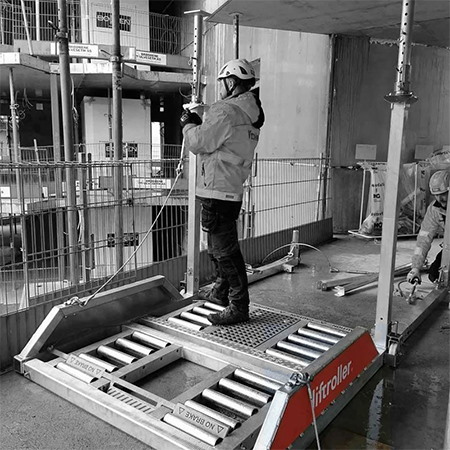
The floor cantilever loading platfor enables smooth and safe material transfer on construction sites. The Liftroller Floor is a canti levered crane loading platform designed to ease inbound and outbound transportation of materials in buildings with floor-to-ceiling apertures.
The low-build rollers allow you to utilise the ceiling height and move tall packs of materials. It comprises several small, individual components and is easy to assemble. The components are light and can be carried by one person.
The Liftroller E Wagon
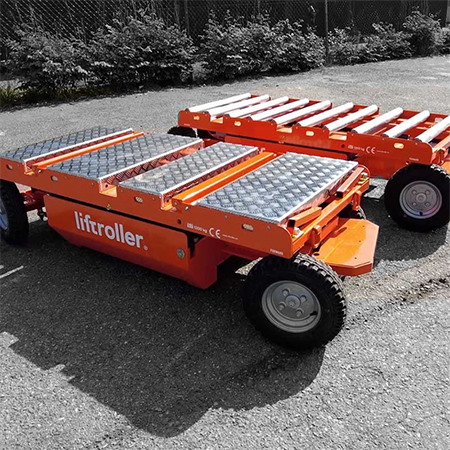
The E Wagon is an electric goods trolley with remote control designed for easier and more efficient handling of materials on building sites.
Liftroller E Mover
The E Mover is an electric material trolley with remote control and raise/lower function for simple and efficient material handling on site
The Liftroller Stacker
The Liftroller Stacker is a high lift pallet jack with electric raise/lower motion for easier handling of materials on building sites.
Liftroller Table
Liftroller Table ensures safe and efficient material transfer on construction sites. Additional tables mean the building materials can be rolled further into the building.
Liftroller Crane
The Liftroller Crane is a mobile travelling crane with 1,500 kg lifting capacity.
Like the other products in the Liftroller range, the Liftroller Crane is made from aluminium and designed to be easy to carry, assemble, move and use. The crane has four castors, which makes it easy to move around the building site.
Liftroller Wagon
The Liftroller Wagon is a manual hydraulic goods trolley tailor-made for use together with the Liftroller Wall landing platform. The trolley is fitted with rollers on its top frame to ease the flow of materials. Materials can be rolled directly from the Liftroller Wall onto the trolley quickly, easily and safely.
Gallery
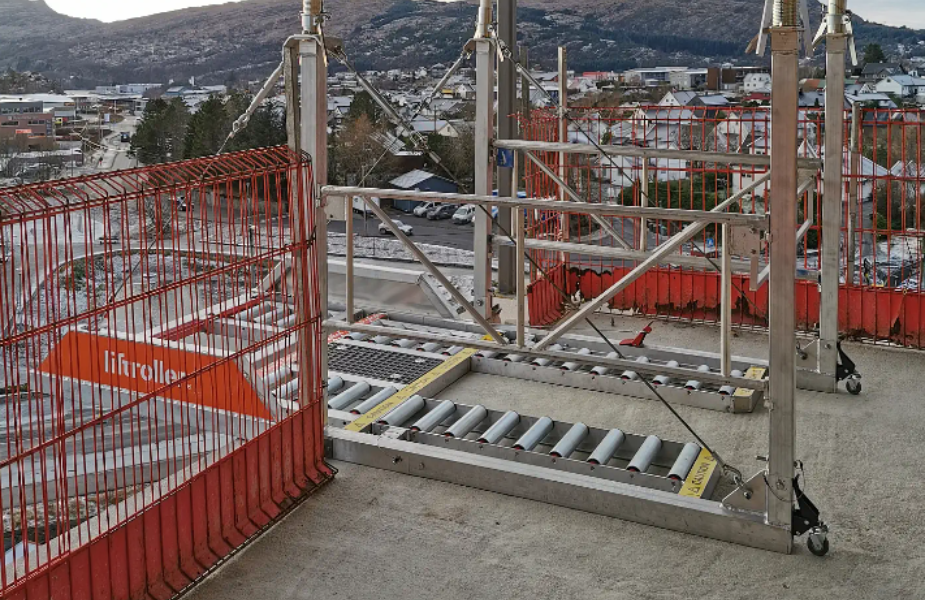
Liftroller Floor setup.
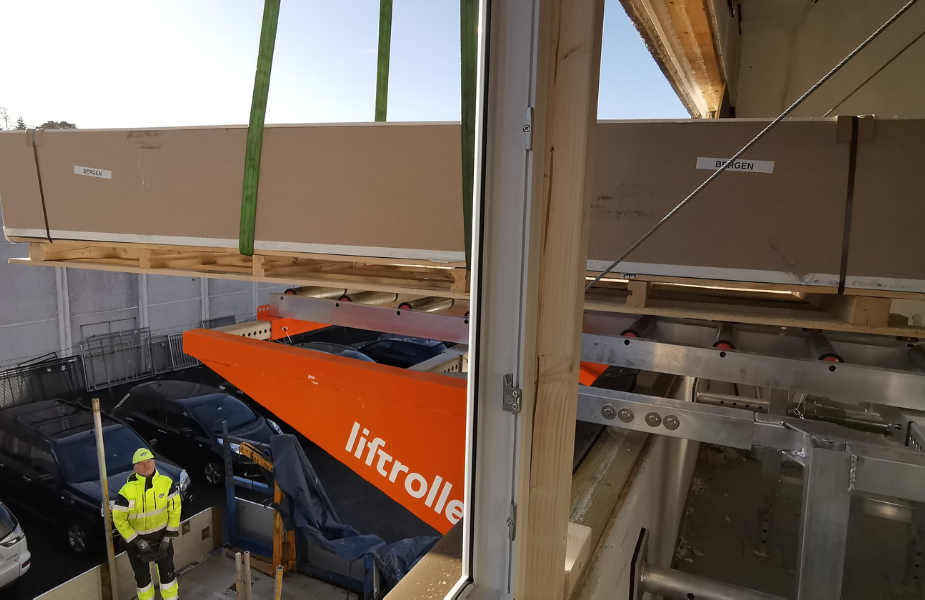
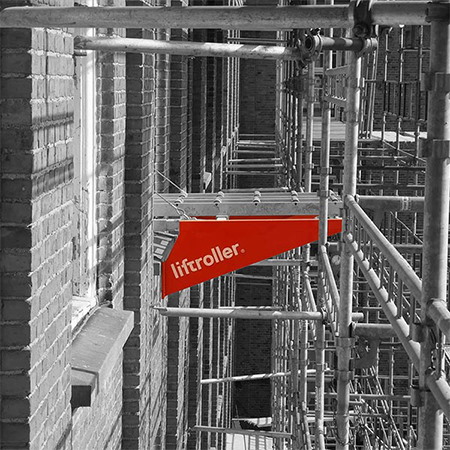
Outside & inside view of Liftroller Wall
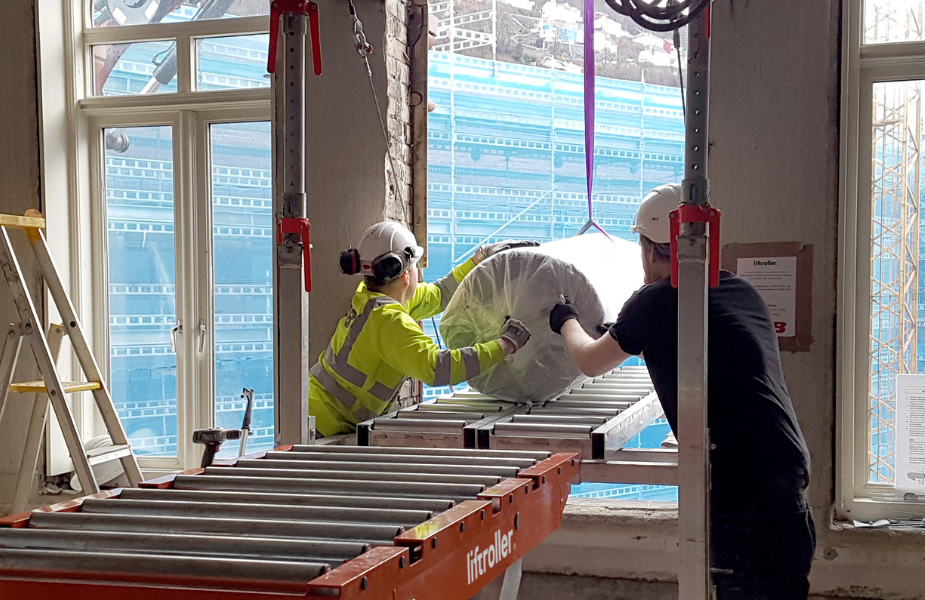
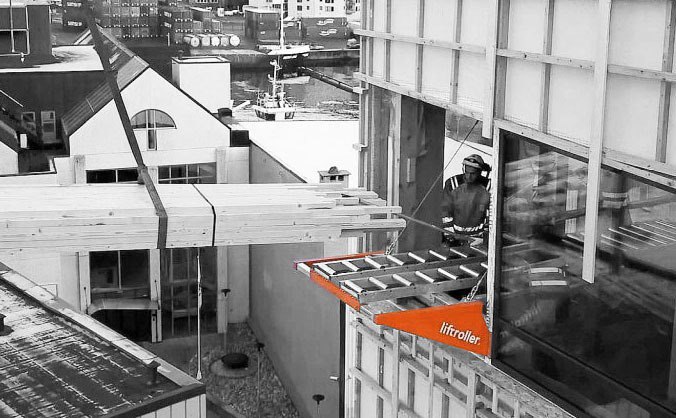
Inside view when rolling materials into a building using Liftroller Wall
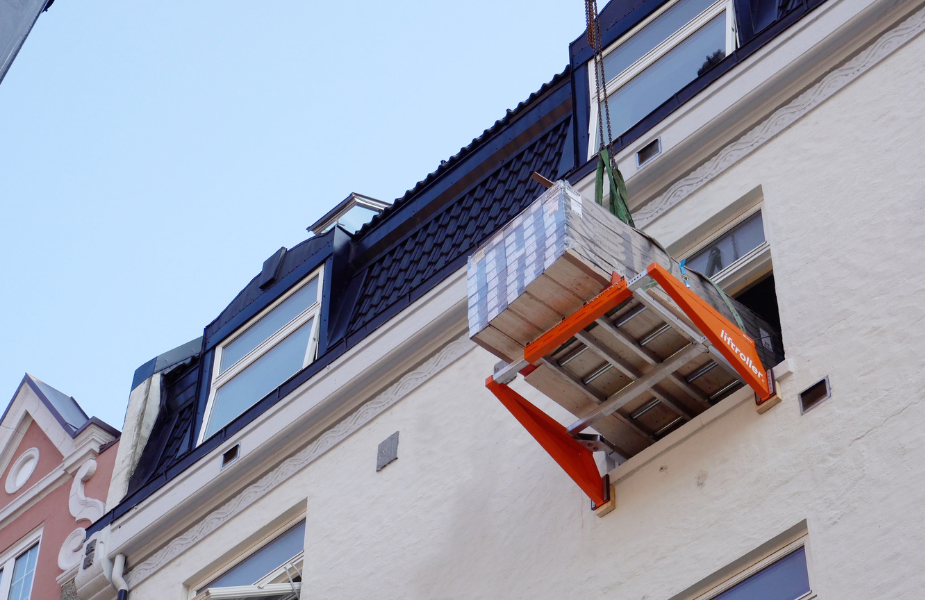
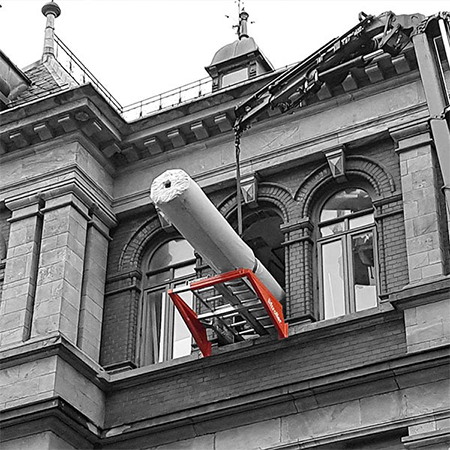
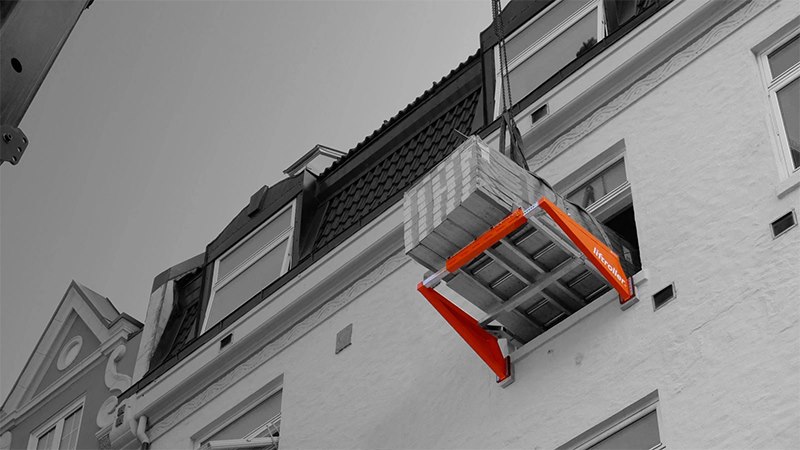
Moving wood planks through a windo using Liftroller Wall
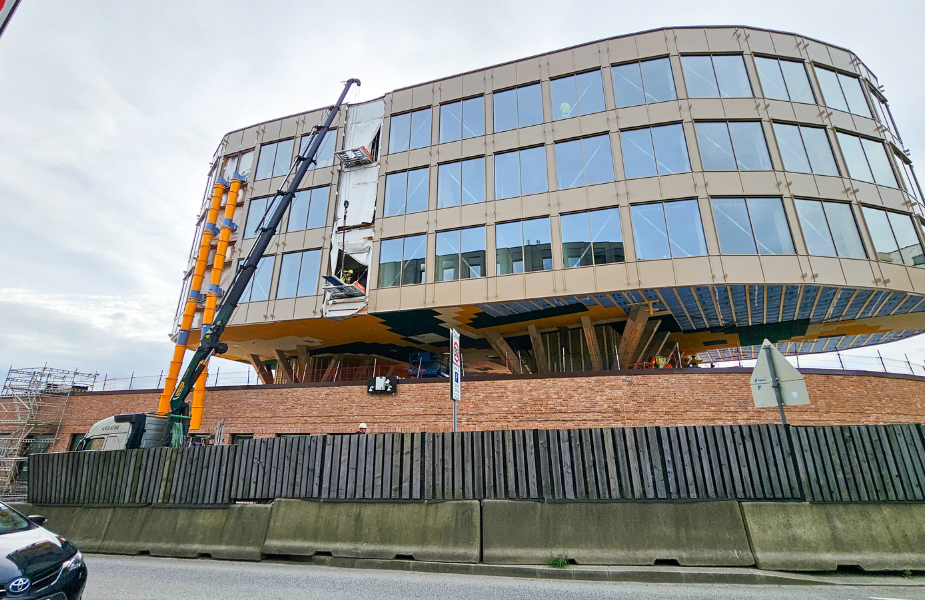
Liftroller Wall at Office Development
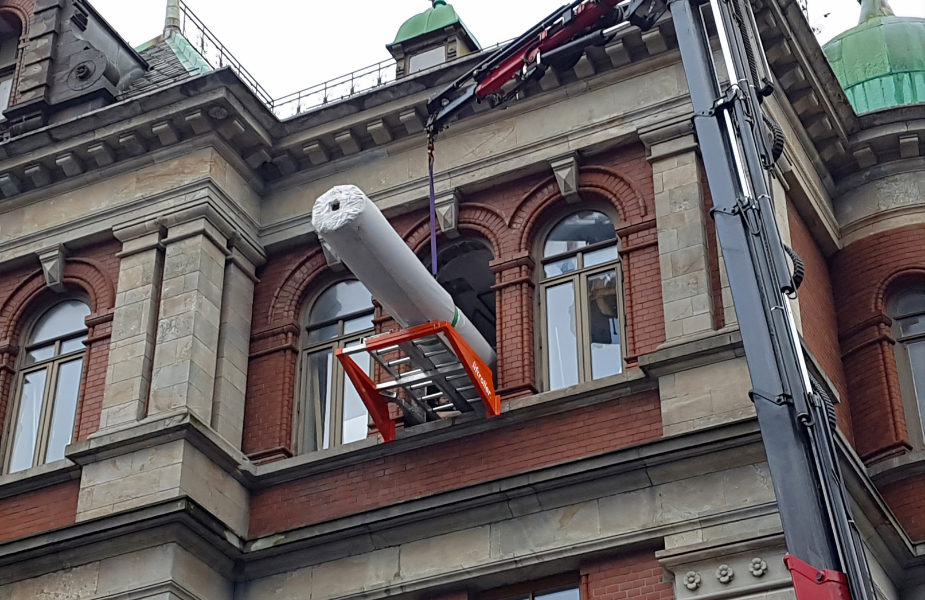
Carpet roll moving in through a window using Liftroller Wall
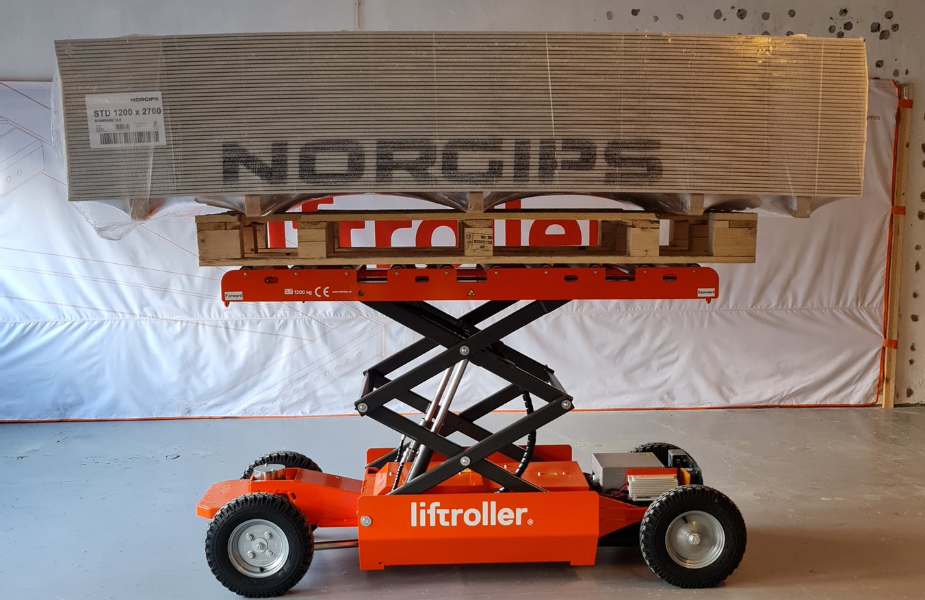
Liftroller e wagon
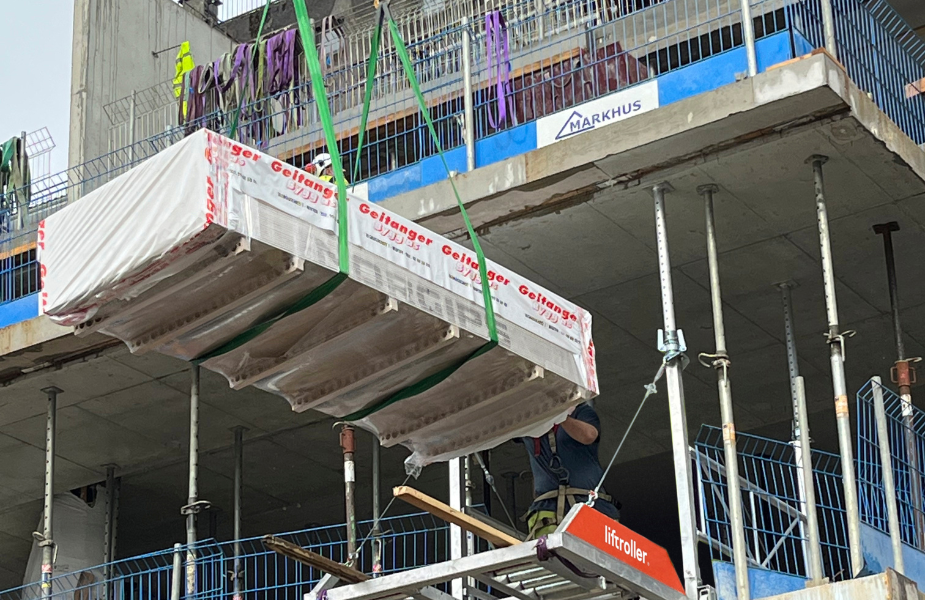
Liftroller Floor
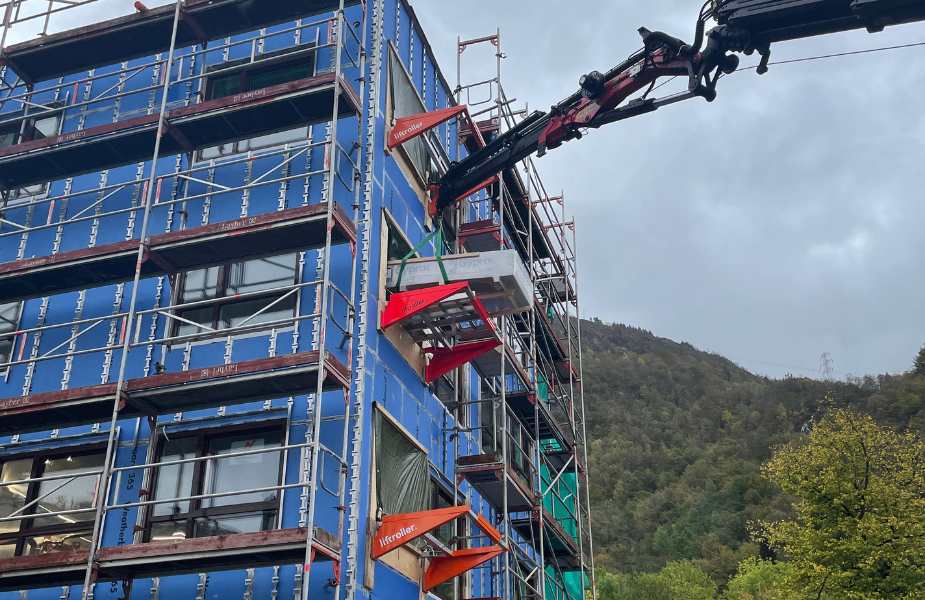
Liftroller wall on 3 levels
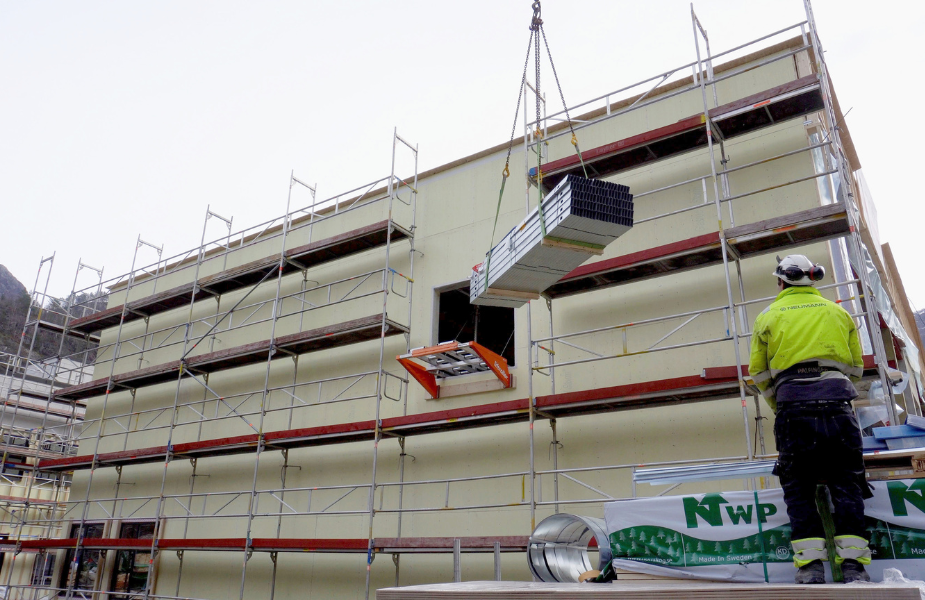
Liftroller Wall
News
Liftroller UK is proud to announce that we have achieved Constructionline Gold Accreditation, one of the most respected compliance standards in the UK construction industry. This accreditation confirms our commitment to exceptional quality, safety, and environmental practices — giving contractors and procurement teams complete confidence when choosing Liftroller systems for their projects.
What Constructionline Gold Means for You
Constructionline Gold is not just an award — it’s independent proof that Liftroller UK meets enhanced industry standards, including:
PAS 91 pre-qualification compliance
SSIP (Safety Schemes in Procurement)
Environmental management checks
Quality assurance verification
Financial and corporate governance assessments
For contractors, this means faster onboarding, reduced administrative work, and full reassurance that you’re working with a verified, trusted supplier.
Why Contractors Choose Liftroller UK
Liftroller systems are designed to transform construction site logistics by simplifying the movement of materials into buildings — safely, quickly, and efficiently.
Key benefits include:
Significant reduction in manual handling
Faster façade and internal material movement
Improved site safety and workflow
Compatibility with all major construction sectors
Proven performance on projects across the UK
With Constructionline Gold, working with Liftroller UK is easier and more compliant than ever before.
A Trusted, Verified Partner for Your Next Project
Our accreditation strengthens our position as a reliable, industry-approved supplier for main contractors, fit-out specialists, façade installers, and public-sector projects.
If you’re looking for a supplier with robust credentials and innovative material-handling solutions, Liftroller UK is ready to support your site.
Speak With Our Team
Want to learn how Liftroller can improve efficiency and safety on your project?
Contact us today:
?? Email: [email protected]
?? Phone: 0370 741 7600
?? www.liftrolleruk.com
Liftroller UK — A safer, smarter way to move materials
What Constructionline Gold Means for You
Constructionline Gold is not just an award — it’s independent proof that Liftroller UK meets enhanced industry standards, including:
PAS 91 pre-qualification compliance
SSIP (Safety Schemes in Procurement)
Environmental management checks
Quality assurance verification
Financial and corporate governance assessments
For contractors, this means faster onboarding, reduced administrative work, and full reassurance that you’re working with a verified, trusted supplier.
Why Contractors Choose Liftroller UK
Liftroller systems are designed to transform construction site logistics by simplifying the movement of materials into buildings — safely, quickly, and efficiently.
Key benefits include:
Significant reduction in manual handling
Faster façade and internal material movement
Improved site safety and workflow
Compatibility with all major construction sectors
Proven performance on projects across the UK
With Constructionline Gold, working with Liftroller UK is easier and more compliant than ever before.
A Trusted, Verified Partner for Your Next Project
Our accreditation strengthens our position as a reliable, industry-approved supplier for main contractors, fit-out specialists, façade installers, and public-sector projects.
If you’re looking for a supplier with robust credentials and innovative material-handling solutions, Liftroller UK is ready to support your site.
Speak With Our Team
Want to learn how Liftroller can improve efficiency and safety on your project?
Contact us today:
?? Email: [email protected]
?? Phone: 0370 741 7600
?? www.liftrolleruk.com
Liftroller UK — A safer, smarter way to move materials
Liftroller Safety & Compliance Guidance
Meeting UK Working-at-Height Requirements & BS EN 13374:2025
Working at height remains one of the highest-risk activities on UK construction sites. When using Liftroller equipment, contractors must ensure that openings created for material handling are protected in line with UK regulations and the European standard BS EN 13374 for temporary edge protection systems.
Liftroller systems are designed to support safe, compliant material loading on live construction sites. Below is a clear breakdown of how each model meets the required standards.
________________________________________
Liftroller Wall (Window Systems)
Built-in edge protection – no separate gate required
The Liftroller Wall does not use a gate. Instead, the roller platform itself forms a permanent, physical barrier across the window opening during all loading operations.
How it meets BS EN 13374
• Guardrail-equivalent height
The roller bed sits between 930 mm (lowest leg setting) and approximately 1200 mm (highest setting).
This places the barrier within the guardrail height requirements of EN 13374 Class A, providing continuous edge protection.
• Operator always stands behind the barrier
All loading/unloading is performed from inside the building. Workers never need to lean out or work in front of the opening.
• Continuous leading-edge protection
Because the window opening remains blocked by the roller platform throughout the operation, a separate gate or removable edge protection is not required.
• Industry-recognised compliance
The Liftroller Wall setup has undergone successful Health & Safety reviews with major international contractors including Bouygues, Vinci, Skanska, and BAM, specifically in relation to working-at-height protection and EN 13374 compliance.
________________________________________
Liftroller Floor (Floor Openings)
Floor openings create a potential fall hazard, meaning temporary edge protection is required under UK regulations. The relevant standard is BS EN 13374 Class A, which specifies guardrails, intermediate rails and toe boards.
Standard configuration – supplied with EN-compliant safety barrier
The Liftroller Floor is delivered with a purpose-designed Edge Protection Barrier meeting EN 13374 Class A.
When fitted, this provides full collective protection around the opening.
Two barrier positions
The barrier can be mounted in two compliant positions:
• Front position – when materials are being rolled in/out
• Rear position – when loading is complete but the unit remains in place
The barrier must remain installed for the full hire period. EN 13374 only permits temporary removal for a specific task, and it must be replaced immediately afterward. Removing edge protection entirely is treated the same as removing a guardrail from scaffolding — the site would no longer be compliant.
________________________________________
Using Liftroller Floor During Loading
When the Edge Protection Barrier is removed
During loading, the barrier must be taken off to allow materials to pass through the opening.
At this point:
• The operator is exposed to a fall risk
• Personal fall-protection equipment (PPE) is required (typically a fall-prevention harness), in accordance with site Working-at-Height procedures
• This is the standard practice on UK sites using the current Liftroller Floor model
________________________________________
Speak With Our Team
Want to learn how Liftroller can improve efficiency and safety on your project?
Contact us today:
?? Email: [email protected]
?? Phone: 0370 741 7600
?? www.liftrolleruk.com
Liftroller UK — A safer, smarter way to move materials.
Meeting UK Working-at-Height Requirements & BS EN 13374:2025
Working at height remains one of the highest-risk activities on UK construction sites. When using Liftroller equipment, contractors must ensure that openings created for material handling are protected in line with UK regulations and the European standard BS EN 13374 for temporary edge protection systems.
Liftroller systems are designed to support safe, compliant material loading on live construction sites. Below is a clear breakdown of how each model meets the required standards.
________________________________________
Liftroller Wall (Window Systems)
Built-in edge protection – no separate gate required
The Liftroller Wall does not use a gate. Instead, the roller platform itself forms a permanent, physical barrier across the window opening during all loading operations.
How it meets BS EN 13374
• Guardrail-equivalent height
The roller bed sits between 930 mm (lowest leg setting) and approximately 1200 mm (highest setting).
This places the barrier within the guardrail height requirements of EN 13374 Class A, providing continuous edge protection.
• Operator always stands behind the barrier
All loading/unloading is performed from inside the building. Workers never need to lean out or work in front of the opening.
• Continuous leading-edge protection
Because the window opening remains blocked by the roller platform throughout the operation, a separate gate or removable edge protection is not required.
• Industry-recognised compliance
The Liftroller Wall setup has undergone successful Health & Safety reviews with major international contractors including Bouygues, Vinci, Skanska, and BAM, specifically in relation to working-at-height protection and EN 13374 compliance.
________________________________________
Liftroller Floor (Floor Openings)
Floor openings create a potential fall hazard, meaning temporary edge protection is required under UK regulations. The relevant standard is BS EN 13374 Class A, which specifies guardrails, intermediate rails and toe boards.
Standard configuration – supplied with EN-compliant safety barrier
The Liftroller Floor is delivered with a purpose-designed Edge Protection Barrier meeting EN 13374 Class A.
When fitted, this provides full collective protection around the opening.
Two barrier positions
The barrier can be mounted in two compliant positions:
• Front position – when materials are being rolled in/out
• Rear position – when loading is complete but the unit remains in place
The barrier must remain installed for the full hire period. EN 13374 only permits temporary removal for a specific task, and it must be replaced immediately afterward. Removing edge protection entirely is treated the same as removing a guardrail from scaffolding — the site would no longer be compliant.
________________________________________
Using Liftroller Floor During Loading
When the Edge Protection Barrier is removed
During loading, the barrier must be taken off to allow materials to pass through the opening.
At this point:
• The operator is exposed to a fall risk
• Personal fall-protection equipment (PPE) is required (typically a fall-prevention harness), in accordance with site Working-at-Height procedures
• This is the standard practice on UK sites using the current Liftroller Floor model
________________________________________
Speak With Our Team
Want to learn how Liftroller can improve efficiency and safety on your project?
Contact us today:
?? Email: [email protected]
?? Phone: 0370 741 7600
?? www.liftrolleruk.com
Liftroller UK — A safer, smarter way to move materials.
Moving away from traditional loading platforms
Cantideck-style loading bays are those big steel trays bolted to the edge of a building slab.
They’re built for loading heavy materials with a crane. This includes items like cladding panels, formwork, and bathroom pods.
They’ve been around forever, and they’re solid for certain jobs, but they come with some serious downsides:
Space hogs. They eat up valuable floor space inside, which is a nightmare when you’re trying to keep a site functional.
Crane nightmares. You need a crane and a trained crew to set them up, move them, or take them down—good luck if the crane’s booked out.
Pricey. Hire prices range from £220 to £250 a week, which is quite reasonable! But remember, this doesn't include crane fees, engineer inspections, and transport costs.
Overkill for lighter work. If you’re doing internal fit-out or moving pallets, they’re often much more than you need.
The alternative, Liftroller Floor
The Liftroller Floor system excels in areas where traditional loading platforms struggle.
• No crane required – you wheel it into place by hand in minutes.
• Minimal footprint – it doesn’t eat into your working area.
• Zero faff – no crane relocation time needed, no call-outs, no crew waiting around.
• Easy to move. Need it on another floor? Roll it to another area or dismantle it by hand and move it by hand to a different floor.
• Very flexible – People have used it in lift shafts, through windows, and on narrow floors in tight city sites.
Where Liftroller really shines
Here are the use cases where Liftroller has made a real difference:
1. Open lift shafts - Dropped pallets right into lift cores. This saves valuable space in foyers or corridors.
2. City centre sites - On sites with limited access and tight spaces, Liftroller ensures the job stays on track.
3. Many floors - Instead of craning one platform up and down, we’ll drop one unit per key floor and crack on. That alone saves hours each week.
4. Internal logistics - Once the building is enclosed, Cantideck-style platforms lose their usefulness. Liftroller stays useful from the structural stage through to finishing.
How does a Liftroller Floor stack up?
Here’s a quick side-by-side to break it down:
Feature Liftroller Floor Traditional Loading Platform
Setup Time Minutes, no crane or crew needed 20 mins to 2 hours, crane and crew required
Crane Dependency None Heavy, setup, moves, and removal
Space Usage Barely noticeable Eats up a chunk of your floor
Access Points Windows, lift shafts, and tight voids Needs slab edge or cut-out
Moving Between Floors Dismantle and move by hand Only movable by crane
Hire Cost £225 a week + minimal delivery £220 to £250 a week + delivery & additional crane costs
Best For Fit-out, M&E, curtain walls, internal logistics Heavy structural work like pods or formwork
When to Pick Each Option
Cantideck-style platforms still have their moments.
They’re best when:
• You’re lifting massive loads like 3-ton concrete pods or huge curtain wall sections.
• You’ve got a tower crane on standby and plenty of time to use it.
• The job’s focused on early structural phases.
But Liftroller Floor is the clear winner for:
• Moving palletised goods, M&E kits, or interior finishes to upper floors.
• Jobs with limited crane access or tight schedules.
• Urban sites where space is at a premium and neighbours are already grumbling about noise.
Cantideck-style platforms are not outdated. They are still useful for heavy structural lifts early in the programme. But for 80% of what contractors do, they’re more of a hassle than they are worth.
Liftroller Floor is designed for how sites will operate in 2025. It’s faster, leaner, less dependent on cranes, and simpler for the team to handle.
If you’re still struggling with Traditional Loading Platforms for fit-out and M&E jobs, it could be time to reconsider your method. The construction game’s changed. Our equipment should too.
To hire yours email [email protected] or call 03707417600.
Cantideck-style loading bays are those big steel trays bolted to the edge of a building slab.
They’re built for loading heavy materials with a crane. This includes items like cladding panels, formwork, and bathroom pods.
They’ve been around forever, and they’re solid for certain jobs, but they come with some serious downsides:
Space hogs. They eat up valuable floor space inside, which is a nightmare when you’re trying to keep a site functional.
Crane nightmares. You need a crane and a trained crew to set them up, move them, or take them down—good luck if the crane’s booked out.
Pricey. Hire prices range from £220 to £250 a week, which is quite reasonable! But remember, this doesn't include crane fees, engineer inspections, and transport costs.
Overkill for lighter work. If you’re doing internal fit-out or moving pallets, they’re often much more than you need.
The alternative, Liftroller Floor
The Liftroller Floor system excels in areas where traditional loading platforms struggle.
• No crane required – you wheel it into place by hand in minutes.
• Minimal footprint – it doesn’t eat into your working area.
• Zero faff – no crane relocation time needed, no call-outs, no crew waiting around.
• Easy to move. Need it on another floor? Roll it to another area or dismantle it by hand and move it by hand to a different floor.
• Very flexible – People have used it in lift shafts, through windows, and on narrow floors in tight city sites.
Where Liftroller really shines
Here are the use cases where Liftroller has made a real difference:
1. Open lift shafts - Dropped pallets right into lift cores. This saves valuable space in foyers or corridors.
2. City centre sites - On sites with limited access and tight spaces, Liftroller ensures the job stays on track.
3. Many floors - Instead of craning one platform up and down, we’ll drop one unit per key floor and crack on. That alone saves hours each week.
4. Internal logistics - Once the building is enclosed, Cantideck-style platforms lose their usefulness. Liftroller stays useful from the structural stage through to finishing.
How does a Liftroller Floor stack up?
Here’s a quick side-by-side to break it down:
Feature Liftroller Floor Traditional Loading Platform
Setup Time Minutes, no crane or crew needed 20 mins to 2 hours, crane and crew required
Crane Dependency None Heavy, setup, moves, and removal
Space Usage Barely noticeable Eats up a chunk of your floor
Access Points Windows, lift shafts, and tight voids Needs slab edge or cut-out
Moving Between Floors Dismantle and move by hand Only movable by crane
Hire Cost £225 a week + minimal delivery £220 to £250 a week + delivery & additional crane costs
Best For Fit-out, M&E, curtain walls, internal logistics Heavy structural work like pods or formwork
When to Pick Each Option
Cantideck-style platforms still have their moments.
They’re best when:
• You’re lifting massive loads like 3-ton concrete pods or huge curtain wall sections.
• You’ve got a tower crane on standby and plenty of time to use it.
• The job’s focused on early structural phases.
But Liftroller Floor is the clear winner for:
• Moving palletised goods, M&E kits, or interior finishes to upper floors.
• Jobs with limited crane access or tight schedules.
• Urban sites where space is at a premium and neighbours are already grumbling about noise.
Cantideck-style platforms are not outdated. They are still useful for heavy structural lifts early in the programme. But for 80% of what contractors do, they’re more of a hassle than they are worth.
Liftroller Floor is designed for how sites will operate in 2025. It’s faster, leaner, less dependent on cranes, and simpler for the team to handle.
If you’re still struggling with Traditional Loading Platforms for fit-out and M&E jobs, it could be time to reconsider your method. The construction game’s changed. Our equipment should too.
To hire yours email [email protected] or call 03707417600.
Products & Services
Team
| Name | Role | Telephone | |
|---|---|---|---|
| Danielle Dutton | Marketing Manager | [email protected] | 07391835509 |
| Jane Turner | Business Development Manager | [email protected] | 07777764657 |
| Flora Squire | Account Manager | [email protected] | 07777764658 |
Facebook Feed
Location Map
Liftroller UK Serves The Following Areas
Liftroller UK Serves The Following Council Areas
Liftroller UK Serves The Following Towns